Introduction
My son Oliver would eat plain white rice and shredded cheese seven nights a week if I let him. My daughter Maya, on the other hand, currently refuses anything that "touches" — her words — and last Tuesday she sent back a plate because a cucumber slice had drifted too close to her rice. Meanwhile, my husband Jake is quietly doing some kind of low-carb thing he read about and hasn't fully committed to telling me about. So dinner in our house used to look like me making three versions of the same meal while also trying to eat something myself before it got cold. That was, until we stumbled into what I now call Bowl Night.
It started almost by accident. I'd batch-cooked a pot of farro, had some leftover rotisserie chicken in the fridge, roasted a sheet pan of veggies I needed to use up, and just… set everything on the counter and told the kids to figure it out. Oliver loaded his bowl with farro, chicken, cheese, and nothing else. Maya arranged everything so nothing touched, ate every bit of it, and asked for seconds. Jake skipped most of the farro and doubled up on roasted broccoli and chicken. I ate a genuinely good meal I didn't have to plan. We've been doing it every week since.
Why Build-Your-Own Bowl Night Actually Works
The concept sounds almost too simple to be a real solution, but there's actual psychology behind why it clicks with kids. When children get to make their own choices about what goes on their plate — even small choices, like whether to add cucumber — they feel a sense of control that makes them far more likely to eat without a fight. It's not magic. It's just that nobody wants to be told what to do, including a six-year-old.
Bowl night is also one of the most low-effort, high-payoff meals in the weekly rotation. You're not cooking five different things. You're cooking a few components and presenting them. The "dinner" part is really just assembly. Most of what you prep — grains, roasted veggies, proteins — keeps well in the fridge for three to four days, which means you're also front-loading some of your weekly meal prep without really calling it that. Batch cook on Sunday, use the components through Wednesday. Done.
And let's be real: it scales effortlessly. Two kids, four kids, a hungry spouse who shows up late, a friend staying over — bowl night doesn't care. Everyone serves themselves. You don't have to time anything perfectly, keep anything warm, or apologize for it.
The Four-Part Bowl Formula
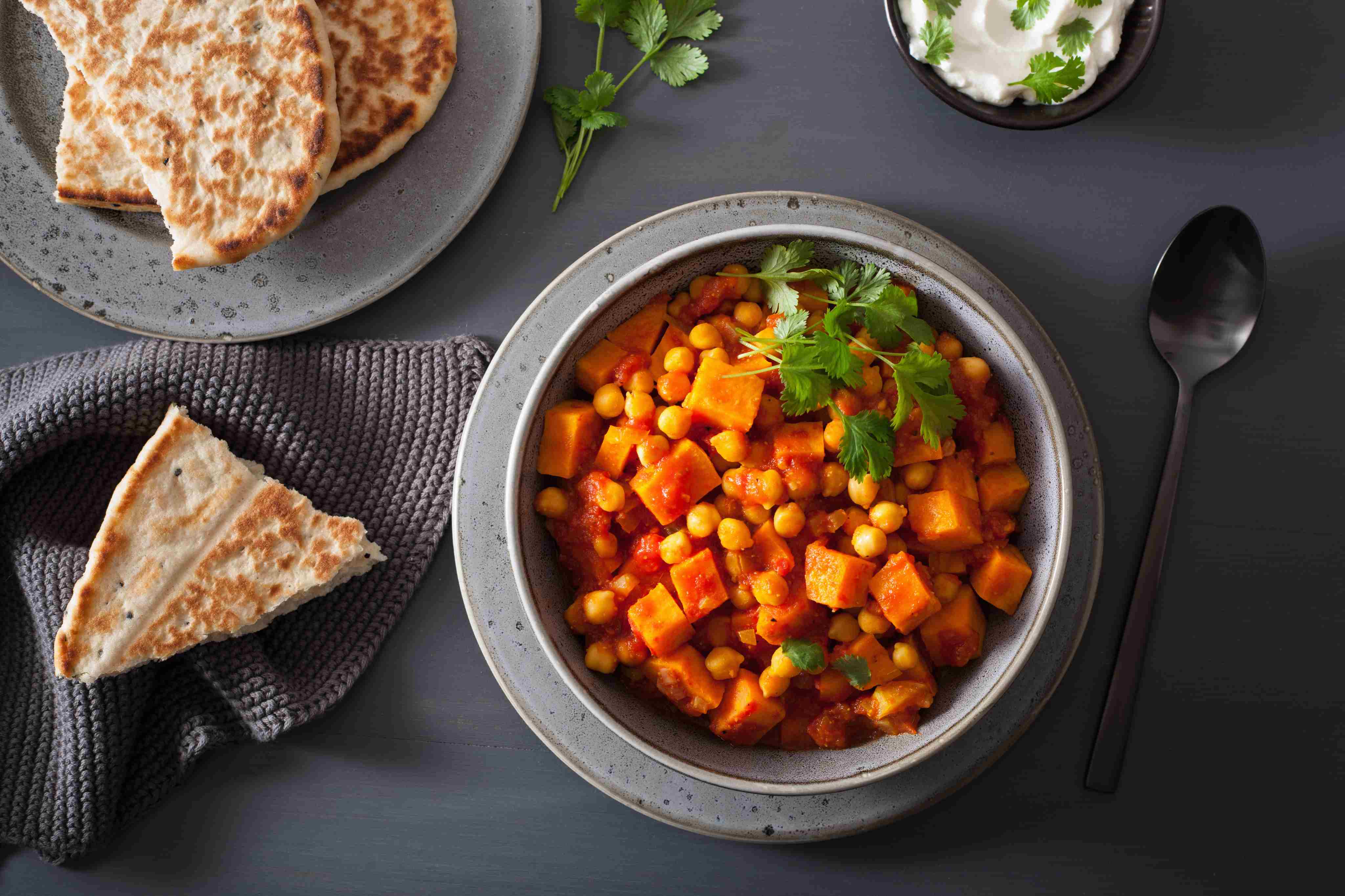
Every great build-your-own bowl comes down to four components. Get these right and the rest takes care of itself.
1. The Base
This is your foundation — grains, greens, or both. Brown rice and quinoa are the reliable workhorses. Farro has a chewy, nutty texture that holds up well under saucy toppings. White rice is fine if that's what your kids will eat (Oliver would like you to know he approves). For a lighter option or to sneak in some greens, a handful of baby spinach or shredded romaine under the grains adds nutrition without a fight.
Trader Joe's pre-cooked farro and their frozen brown rice are genuinely useful shortcuts here — microwave ready in three minutes, and they taste like you cooked them yourself. For families with gluten concerns, quinoa and rice are naturally gluten-free and cook up in under 20 minutes.
2. The Protein
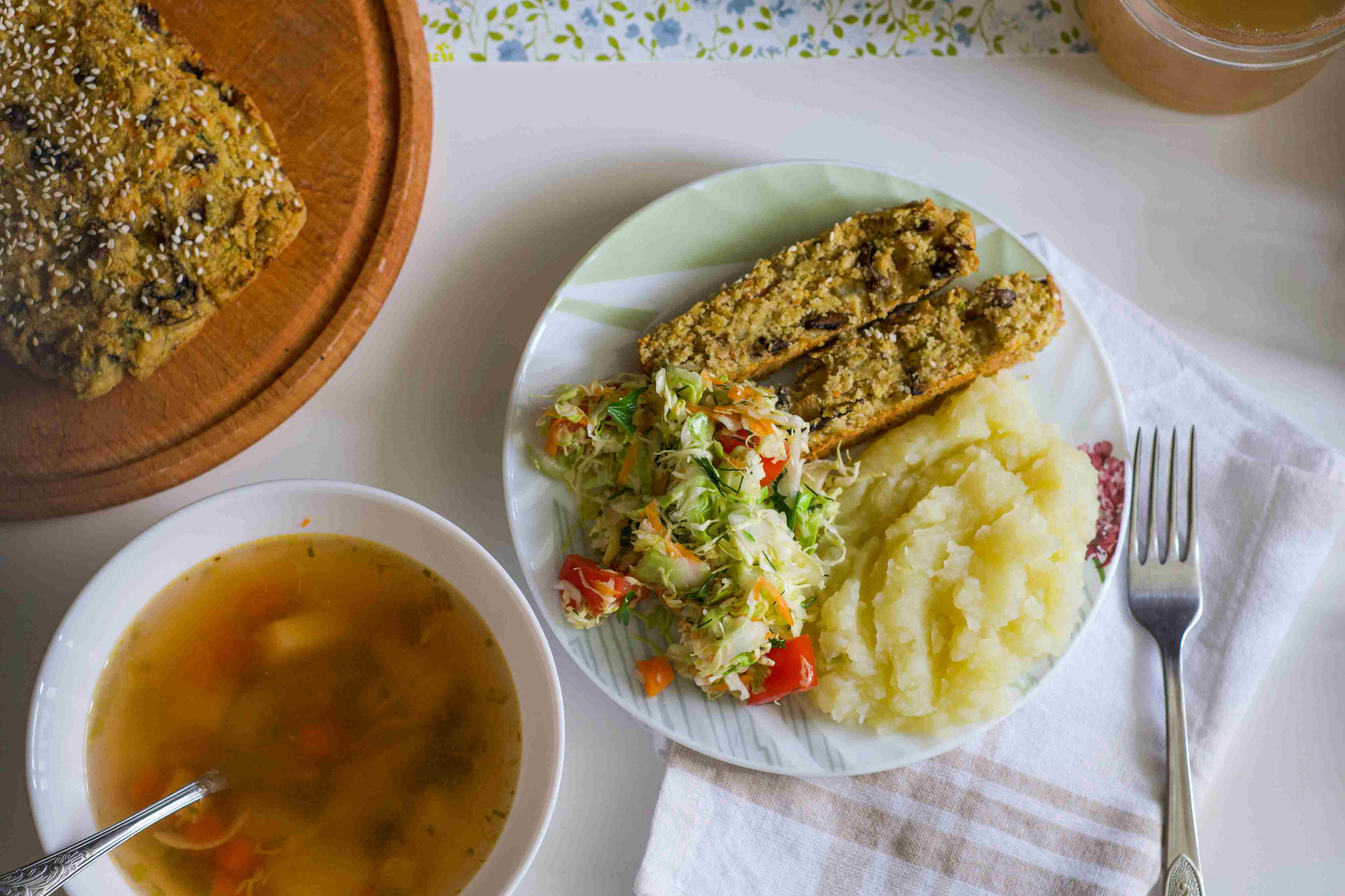
Protein is where you get flexibility. Rotisserie chicken is the unbeatable weeknight move — shred it, set it in a bowl, let people grab what they want. Ground beef or turkey seasoned with cumin and garlic works perfectly for a Mexican-leaning bowl night. Canned chickpeas, drained and roasted in the oven with olive oil and smoked paprika for 20 minutes, are a surprisingly addictive plant-based option that even my kids eat without drama.
For a more elevated spread, grilled salmon bites or a batch of lemony shrimp (five minutes in a pan) make the whole thing feel a little more put-together without any extra complexity. Hard-boiled eggs are always in our fridge and work as a protein for anyone who needs something simple.
3. The Vegetables
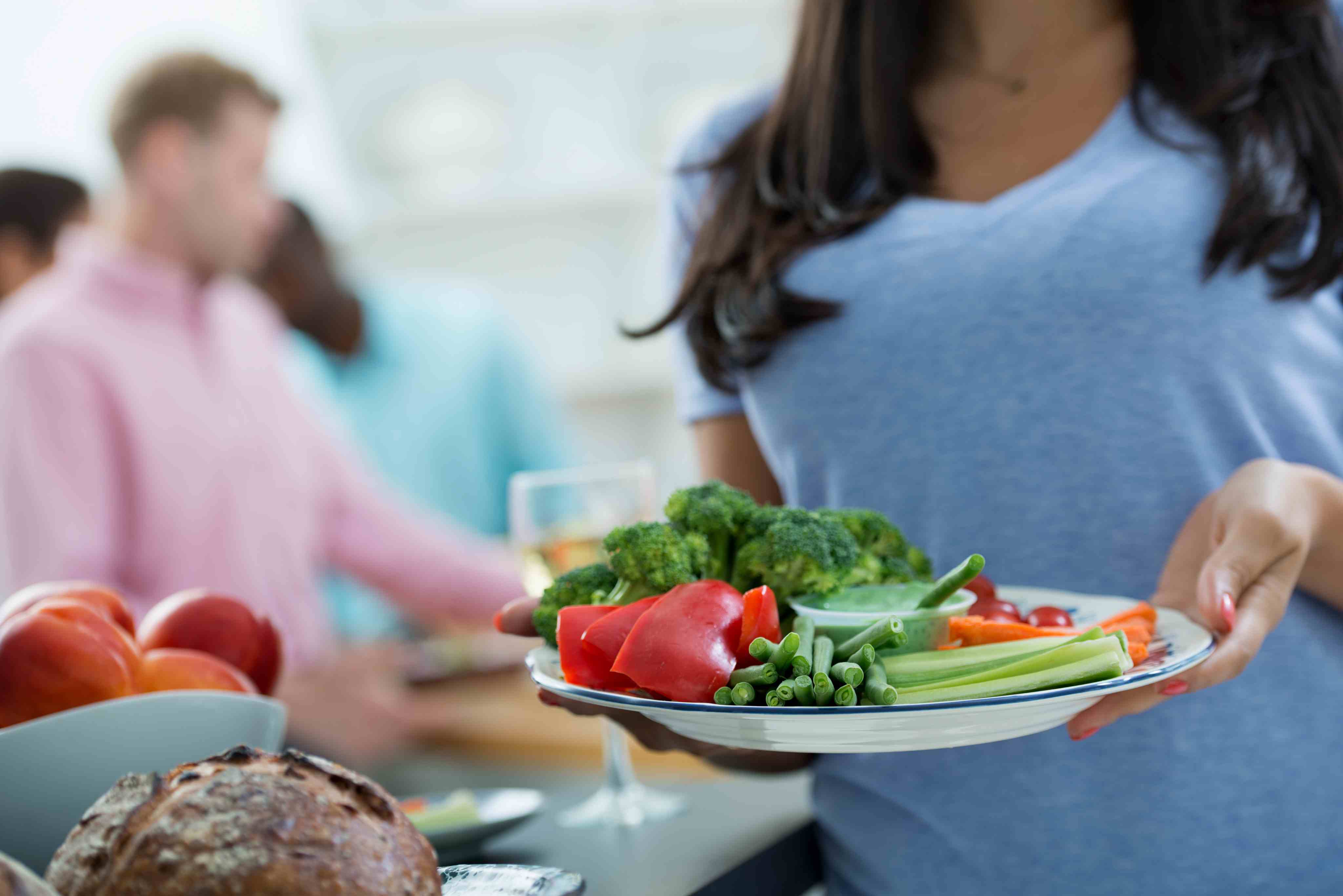
Raw and roasted, ideally both. Raw gives you crunch — cucumber slices, shredded carrots, cherry tomatoes, sliced bell peppers. Roasted gives you warmth and depth — sweet potato cubes, broccoli florets, zucchini, corn. I usually roast one sheet pan of whatever vegetable is cheapest that week, toss it in olive oil and salt at 425°F for 20–25 minutes, and call it done.
The key with picky eaters: put everything in separate bowls or sections. Let them choose. Don't mix anything before serving. The "it's touching" complaint disappears entirely when each ingredient has its own little zone on the counter.
4. The Sauce
This is the component that elevates a bowl from "food in a dish" to something people actually get excited about. A tahini drizzle, a lime crema (sour cream + lime juice + a pinch of cumin), a ginger-sesame dressing, or just good old guacamole. Set out two or three options. Let everyone go wild.
I keep a bottle of Primal Kitchen's avocado oil mayo in the fridge specifically for quick bowl sauces — mix it with sriracha and lime juice and you have a spicy mayo that takes 30 seconds and tastes like a restaurant. The kids use it on everything now.
Three Bowl Night Themes to Rotate Through
Having a loose theme makes the prep feel more intentional and stops bowl night from feeling random.
Mexican Bowl Night: Cilantro lime rice, seasoned ground beef or black beans, corn, diced tomatoes, shredded cheddar, sour cream, guacamole, and tortilla chips crumbled on top. This is the one Oliver eats the most of. He calls it "his taco bowl" and feels very proud.
Asian-Inspired Bowl Night: White or brown rice, teriyaki chicken or edamame, shredded cabbage, cucumber, shredded carrots, a sesame-ginger dressing, and a sprinkle of sesame seeds. This is the bowl that got Maya to voluntarily try edamame. That was a big day.
Mediterranean Bowl Night: Farro or quinoa, roasted chickpeas, cherry tomatoes, cucumber, Kalamata olives, crumbled feta, and a lemon-herb dressing or store-bought tzatziki. This one is Jake's favorite and honestly mine too. It feels fancy with almost zero extra work.
How to Make Bowl Night Feel Like an Event (Not a Chore)
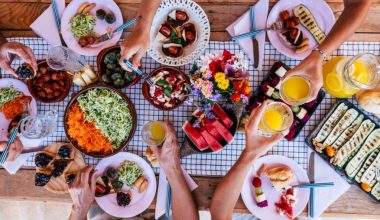
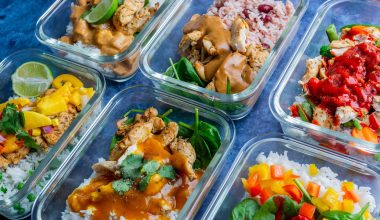
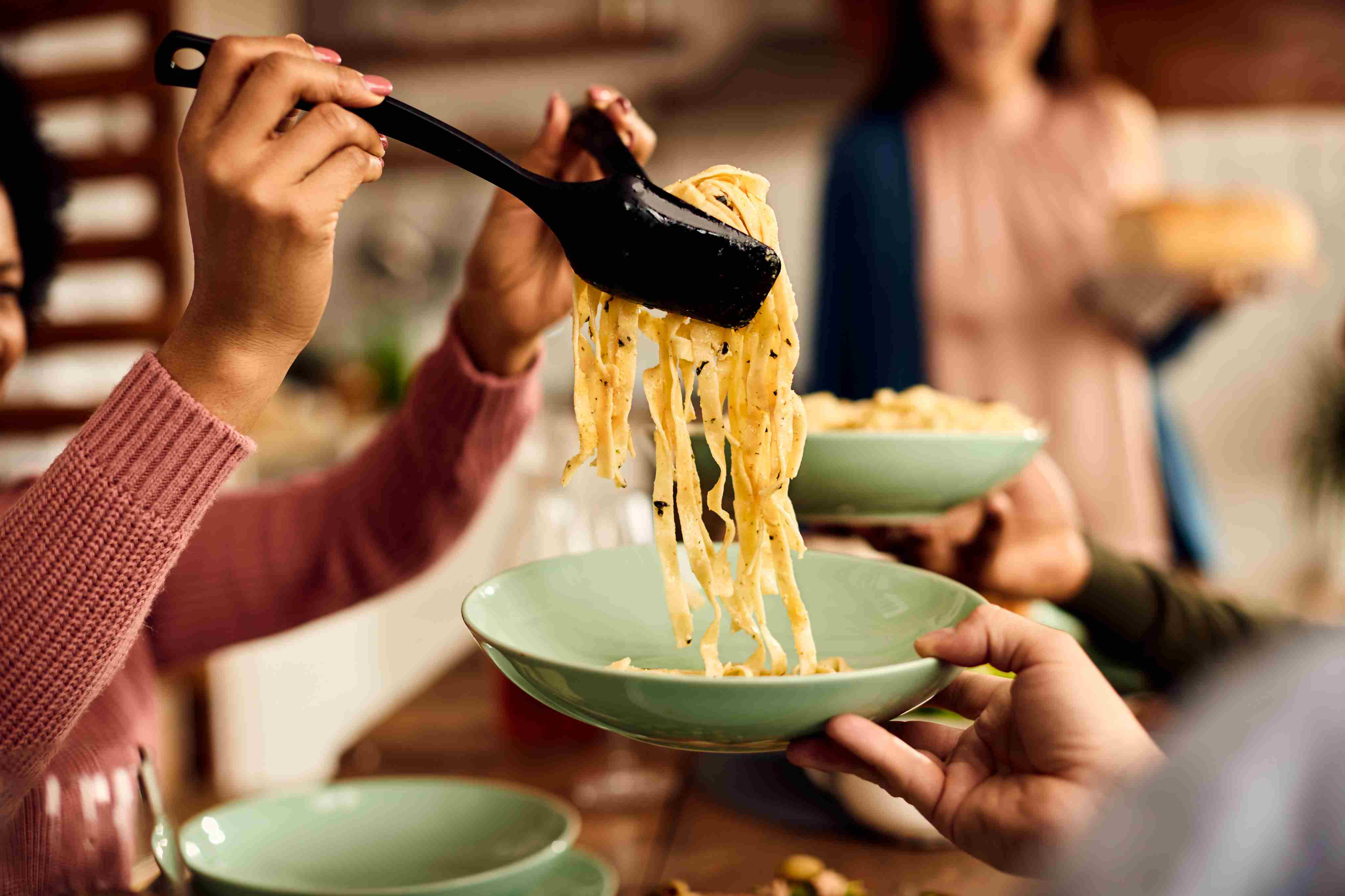
The secret to bowl night becoming something your kids look forward to — and something you don't dread — is in the presentation. Put everything out on the counter in individual bowls or on a big wooden board. Give the kids their own bowls and let them walk the "line" like they're at Chipotle. That little restaurant-at-home element makes it fun.
Get the kids involved in age-appropriate prep: toddlers can rinse canned beans, four-year-olds can tear lettuce, older kids can measure and pour dressings, and tweens can handle actual sautéing with supervision. When they help make it, they're more likely to eat it. That's not a theory — it's something every parent I know has confirmed through trial and error.
Encourage them to name their bowl creation. Oliver named his "The Champion Bowl" (it's rice, chicken, cheese, and ketchup, which, fine). Maya has a running list of bowl names she rotates. This sounds small but it makes them invested in the meal in a way that a parent-plated dinner never would.
Do's and Don'ts of Build-Your-Own Bowl Night
| Do | Don't | |
|---|---|---|
| 1 | Batch cook grains on Sunday to save weeknight time | Cook everything fresh every bowl night — it'll exhaust you |
| 2 | Offer at least two protein options | Assume one protein works for everyone |
| 3 | Keep each component separate when serving | Mix toppings before kids can choose — picky eaters will revolt |
| 4 | Include at least one familiar "safe" food your kids love | Introduce only new foods — keep the anchor comfort item |
| 5 | Offer two or three sauce options | Skip the sauce — it's the thing that makes bowls feel special |
| 6 | Let kids serve themselves at the counter or table station | Plate it for them — that removes the fun and the choice |
| 7 | Use pre-cooked or frozen grains when time is short | Feel guilty about shortcuts — a Trader Joe's shortcut is still a home-cooked meal |
| 8 | Roast a sheet pan of veggies at the start of the week | Buy pre-cut veggies and then let them go soft in the fridge |
| 9 | Try a new sauce or grain each month to keep it interesting | Do the exact same bowl every week until everyone's bored |
| 10 | Let the kids name their bowl creation | Micromanage their choices — the whole point is autonomy |
| 11 | Set the table with individual component bowls for a fun layout | Serve everything from one big pot — kills the build-your-own energy |
| 12 | Keep leftovers for next-day grain bowls at lunch | Toss leftover components — they reheat beautifully |
FAQs About Build-Your-Own Bowl Dinners
How long does it actually take to prep bowl night?
If you're cooking everything from scratch, about 40–45 minutes for a full spread. If you're using batch-cooked grains from earlier in the week and a rotisserie chicken, you can have everything on the counter in 20 minutes flat. Most of that time is roasting the vegetables. The grains and proteins are hands-off.
What's the best grain for kids who won't try anything new?
Start with white rice. It's familiar, neutral, and not threatening. Once they're comfortable with bowl night as a concept, slowly introduce brown rice or quinoa alongside white rice and let them decide. The goal isn't to force a nutrition upgrade — it's to build a routine they'll participate in. The nutrition improvements come over time.
Can I do bowl night on a tight budget?
Absolutely. Rice, canned black beans, frozen corn, a bag of pre-shredded coleslaw mix, and whatever protein is on sale. A full bowl night for a family of four can run under $15 easily. The components stretch, too — anything left over becomes lunch bowls the next day, which means you're not buying extra lunches.
How do I handle a kid who literally refuses to try anything?
Put their "safe" food in the bowl. If Oliver only wants rice and cheese, that goes in. The strategy isn't to eliminate safe foods — it's to surround them with new options in a low-pressure way. Over time, curiosity takes over. Maya tried edamame because she watched the rest of us eat it for three bowl nights before she decided to grab some herself. No pressure, no fight.
What sauces are kid-friendly?
Ranch dressing is the obvious one and there's no shame in it. A mild honey mustard works well. For kids who like a little flavor, a simple drizzle of low-sodium soy sauce over an Asian bowl is often a hit. Avoid anything too spicy for younger kids and always put sauces on the side so they can control how much they use.
Can bowl night work for meal prepping the whole week?
It can, but it works better as a two-to-three day plan than a full seven-day one. Cooked grains keep for four days in the fridge, roasted veggies for three to four days, proteins vary (chicken is good for three to four days, fish should be used within two). Make a big batch on Sunday or Monday and you've got easy lunches and another quick dinner mid-week without additional cooking.
What if my family has different dietary needs?
That's actually the strongest argument for bowl night. Plant-based? Load up on roasted chickpeas, edamame, and avocado. Gluten-free? Rice and quinoa bases with naturally gluten-free toppings. Low-carb? Skip the grain base entirely and build over a bed of greens or just use a light grain portion. Everyone eats from the same spread. Nobody eats a separate meal.
How do I keep the setup from turning my kitchen into a disaster?
Use small prep bowls or ramekins for each topping and line them up on the counter or on a large cutting board. Kids grab what they want, put it in their dinner bowl, and the topping bowls stay mostly in place. Cleanup is actually easier than a plated dinner because there are no pots with sticky residue — just a few small bowls to rinse.