The Best Outdoor Activities for Kids on a Family Vacation
My youngest once cried for forty-five minutes because we packed up the beach and left. Not because she was tired. Not because she'd gotten sunburned. She cried because she wasn't done turning over rocks at the tide pools and she needed to find "the biggest hermit crab in the whole ocean." That moment told me everything I needed to know about what kids actually want from a vacation: they want to touch things, discover things, and feel like the world belongs to them for a few days.
The best family vacations aren't the ones with the fanciest resort or the most Instagram-worthy pool bar. They're the ones where your kid comes home covered in dirt, full of stories, and already asking when you're going back. Outdoor activities are the secret ingredient that turns a trip into a memory — and honestly, they're often cheaper and easier to pull off than you'd think. Whether you're heading to a national park, a beach town, or somewhere in the mountains, here's how to fill those days outside.
Hiking Kid-Style (Yes, Even With Toddlers)
Hiking gets a bad reputation in mom circles because of the horror stories — meltdowns at mile two, someone refusing to walk, the whole family turning back before lunch. But the trick is adjusting your expectations before you go. Hiking with kids is not hiking for adults. It's exploring, slowly, with lots of stops.
At national parks, the Junior Ranger Program is a complete solid win. Kids pick up a free activity booklet at the visitor center, complete tasks like nature scavenger hunts and wildlife spotting pages, then get sworn in by a ranger and receive an official badge. Every one of the 63 major national parks offers it, kids under 15 enter free, and many parks have stroller-accessible paths if you're traveling with a baby or toddler. The goal stops being "finish the trail" and becomes "earn the badge." Suddenly your reluctant walker is the one leading the charge.
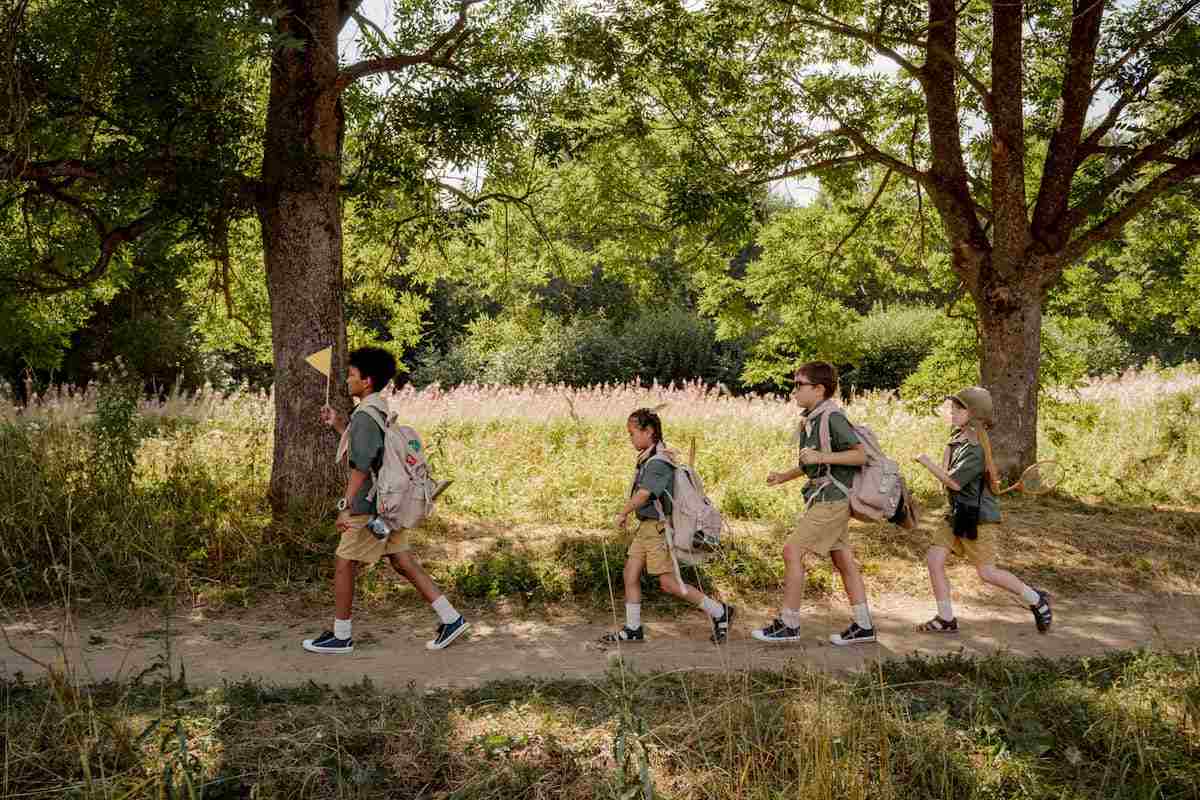
For trail selection, a good rule of thumb is half a mile per year of age for younger kids — so a four-year-old can reasonably handle a 2-mile loop. Pack more snacks than you think you need, let them carry their own small backpack (it gives them ownership), and build in time to stop and look at things that seem boring to you. A puddle. A cool-looking rock. A spider web catching dew. These are the parts they'll actually remember.
Kayaking and Canoeing — Calmer Than You Think
A lot of families skip water paddling because it sounds complicated with kids, but calm-water kayaking is genuinely one of the most accessible outdoor activities for families. Many lake and river destinations — think Lake Tahoe, Acadia National Park in Maine, or Hilton Head in South Carolina — offer tandem kayak rentals where a parent and child sit together. Your six-year-old paddles enthusiastically for twenty minutes, then trails their hand in the water for the rest of the ride. It's wonderful.
Mangrove kayaking, if you're somewhere like Florida or Costa Rica, is especially magical for kids. You paddle through tunnels of twisted roots with the water turning glassy and dark, and sometimes manatees or sea turtles drift by underneath. Guided tours for families usually last about two hours and the guides do most of the navigation work — you just follow along and point out wildlife.
For very young kids, canoes are often easier since the boat is more stable and a parent can manage most of the paddling. Always use properly fitted, Coast Guard-approved life jackets, and look for "flatwater" or "calm water" in tour descriptions. Skip anything with river ratings above Class I for kids under eight.
Beach Days That Go Beyond Just Swimming
Beaches are obvious, but most families stop at swimming and miss half of what's there. Tide pools alone can entertain a kid for three hours — you're basically handing them a live aquarium to explore with their hands. Pacific Coast beaches like those near Monterey, California or the Oregon Coast have some of the best pools in the country, packed with sea stars, anemones, urchins, and hermit crabs. East Coast families should look at the Cape Cod National Seashore, where the National Park Service actually runs ranger-led tidal exploration walks.
Beyond tide pools: boogie boarding is easy for kids as young as five with adult supervision, and most beach shops rent boards by the hour. Sand sculpting — not just sandcastles — turns into a full family project if you bring a few basic tools from home. Some beaches, particularly on the Gulf Coast, have shallow enough water that even toddlers can wade confidently while parents stay close.
If your family is at a beach destination for several days, look into a junior lifeguard program. Many coastal towns run one- or two-day camps where kids learn ocean safety, basic rescue techniques, and get a ton of supervised water time. It's a half-day activity that keeps older kids engaged while you get to actually sit in a beach chair for twenty minutes.
Camping (Even One Night Changes Everything)
You don't have to do a week-long backcountry trip to get the benefits of camping with kids. One night at a family campground — the kind with actual bathrooms and a camp store nearby — is enough to shift something in the way your kids experience nature. Sleeping in a tent, cooking dinner over a camp stove, and waking up to the sound of birds instead of an alarm clock is a completely different kind of rest than a hotel provides.
Campfire cooking is its own outdoor activity. Kids can help with almost every part — threading s'mores, wrapping potatoes in foil, stirring scrambled eggs in a cast iron pan. This is one of those things where the messiness and the involvement is the whole point. KOA campgrounds are a solid starter option for families new to camping — they often have playgrounds, splash pads, and pre-set tents or cabins if you want to ease into it before buying gear.
For families who want something between camping and a hotel, glamping has expanded enormously. Places like Collective Retreats (operating in spots like Big Sur and the Hudson Valley), Fireside Resort in Wyoming, and dozens of Airbnb tent or yurt listings offer a curated outdoor experience without requiring you to own any equipment at all.
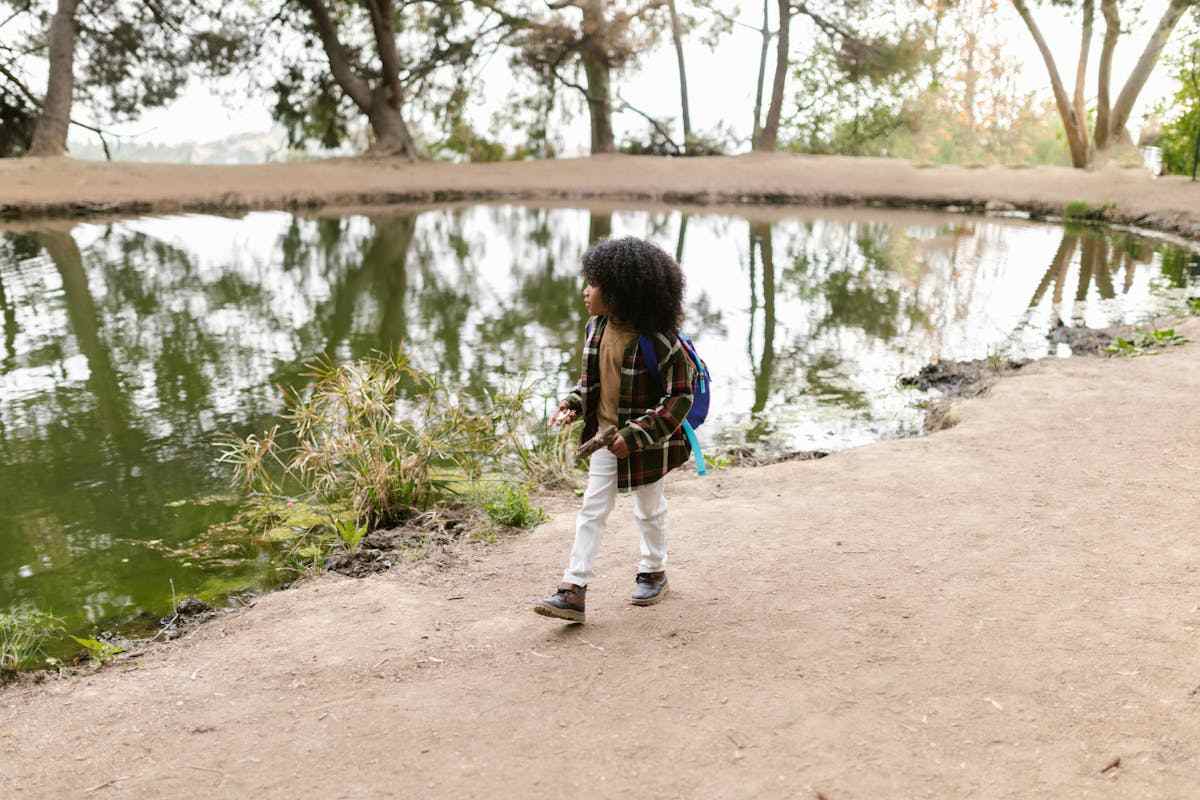
Wildlife Watching and Nature Walks
Wildlife spotting is one of those activities that kids genuinely love because it scratches the same itch as a scavenger hunt — you're looking for something, and the payoff is huge when you find it. Yellowstone is the obvious bucket-list answer, where bison jams, wolf sightings at dawn, and geyser eruptions create the kind of memories that stick for decades. But you don't have to go that far.
Local nature centers, wildlife refuges, and state parks often run guided walks where a naturalist leads families through the habitat and knows exactly where to spot owls, foxes, or nesting herons. This is especially great for kids ages 4–10 who benefit from an expert narrating what they're seeing. Many of these programs are free or under $20.
For birding specifically — don't roll your eyes — kids take to it faster than adults once you put binoculars in their hands and a simple field guide on their lap. Cornell Lab of Ornithology's free Merlin app identifies birds by sound, which turns any trail walk into a little bit of magic.
Do's and Don'ts for Outdoor Activities With Kids on Vacation
| Do | Don't | |
|---|---|---|
| Hiking | Choose trails rated "easy" or pick routes under 3 miles for young kids | Assume kids will keep up with adult pace — plan for double the time |
| Water Activities | Always use properly fitted, USCG-approved life jackets | Skip the life jacket on "calm" water — accidents happen quickly |
| Sun Protection | Apply SPF 30+ sunscreen 20–30 minutes before going out, reapply every 2 hours | Rely on one morning application for an all-day outdoor session |
| Wildlife | Keep a safe, respectful distance and use binoculars | Approach, feed, or try to touch any wild animal |
| Gear | Pack a basic first aid kit on every outing — bandages, antiseptic, kids' pain reliever | Over-pack to the point where carrying gear becomes a burden |
| Snacks | Bring more than you think you need — energy dips are the #1 cause of meltdowns | Pack only junk food; real fuel matters on active days |
| Schedules | Build in rest time — even one low-key afternoon keeps everyone sustainable | Cram too many activities into one day and exhaust the kids by noon |
| Expectations | Go with the flow; let kids linger on interesting finds | Force march through a beautiful place just to "finish" the trail |
| Weather | Check forecasts the night before and have a backup indoor plan | Assume summer weather is always stable, especially in mountain or coastal areas |
| Ages | Tailor activity difficulty to your youngest child's ability | Choose activities based on what older kids can handle and drag younger ones along |
FAQs
What outdoor activities are best for kids under 5 on vacation?
Toddlers and preschoolers do best with unstructured exploration — beaches, nature walks on flat paved paths, farm visits where they can pet animals, and very short hikes under a mile. The key is following their lead. Many national parks have paved accessible trails perfect for strollers and small walkers. Tide pools, pond edges, and open meadows are all natural play spaces that require zero planning. The Junior Ranger booklets even have a simplified version for ages 3–5 at most parks.
How do I keep older kids (tweens) engaged in outdoor activities on vacation?
Give them ownership. Let them navigate with a paper map or compass, assign them the job of spotting wildlife, or let them lead a section of the hike. Activities with a measurable challenge — rock climbing at a guide facility, white water rafting on a Class II river, surf lessons — tend to resonate with tweens more than passive sightseeing. Involving them in planning the day's activities also makes a significant difference.
Is kayaking safe for young kids?
Yes, with the right setup. Tandem kayaks allow an adult to do the primary paddling while a child sits in front. For ages 3–6, a canoe is often more stable and easier to manage. Calm lakes and protected coastal areas are ideal. Always use properly fitted life jackets, choose guided tours over solo paddling in unfamiliar water, and avoid anything with current or wind exposure beyond your comfort level.
What should I pack for a day of outdoor activities with kids?
A small daypack should cover: sunscreen (SPF 30+), a basic first aid kit, more water than you think you need (roughly half a liter per hour of activity per person), snacks with some protein and complex carbs, a light rain layer, and a change of clothes for little ones. A small net or magnifying glass is genuinely useful for nature exploration and costs almost nothing.
Do I need to be an outdoorsy family to enjoy these activities?
Not at all. Many of the best outdoor activities for kids on vacation are completely beginner-friendly — guided kayak tours, beach days, campgrounds with full amenities, and ranger-led walks don't require prior experience or special skills. The bar is much lower than most families assume, and most kids take to outdoor activities naturally once you get them out there.
Are national parks worth visiting with young kids?
Absolutely, and they're often underrated as family destinations. The Junior Ranger Program alone makes national parks worth it — kids stay engaged the whole visit because they have a structured goal. Children under 15 enter all national parks free. The visitor centers have excellent exhibits geared toward kids, and rangers are genuinely great at engaging young visitors. Start with accessible parks like Great Smoky Mountains, Acadia, or Olympic if you want well-maintained facilities alongside the wilderness.
What's the best time of year for outdoor family vacations?
Shoulder seasons — May and September — are often the sweet spot. Trails and campgrounds are less crowded, temperatures in most destinations are mild, and prices tend to be lower than peak summer. Summer works well for beach destinations and higher-elevation parks where trails are fully open, but book campsites and lodging well in advance since they fill months out.
How do I handle a kid who doesn't want to go outside on vacation?
Lead with the thing they're most interested in rather than the activity you planned. If they love animals, frame the hike as "we're going to look for deer." If they love collecting things, a beach walk becomes a shell-finding mission. Bring headphones for the car ride so they arrive rested. And build in a screen-time reward for the evening — it gives reluctant kids something to look forward to and makes the outdoor time feel finite rather than endless.
Image Tags
- kids hiking trail national park sunny day backpacks
- family kayaking calm lake mountains background
- children tide pool exploring hermit crab rocky beach
- mom daughter camping tent forest morning light
- kids junior ranger badge national park visitor center
- family biking path tree-lined trail vacation
- children wildlife watching binoculars meadow
- kids building sandcastle beach golden hour
- family glamping tent nature stars outdoor
- children campfire roasting marshmallows smores evening
Blog Tags
- outdoor activities for kids
- family vacation ideas
- travel with kids
- adventure travel
- national parks with kids
- nature activities children
- family hiking tips
- beach vacation kids
- camping with family
- kid-friendly travel