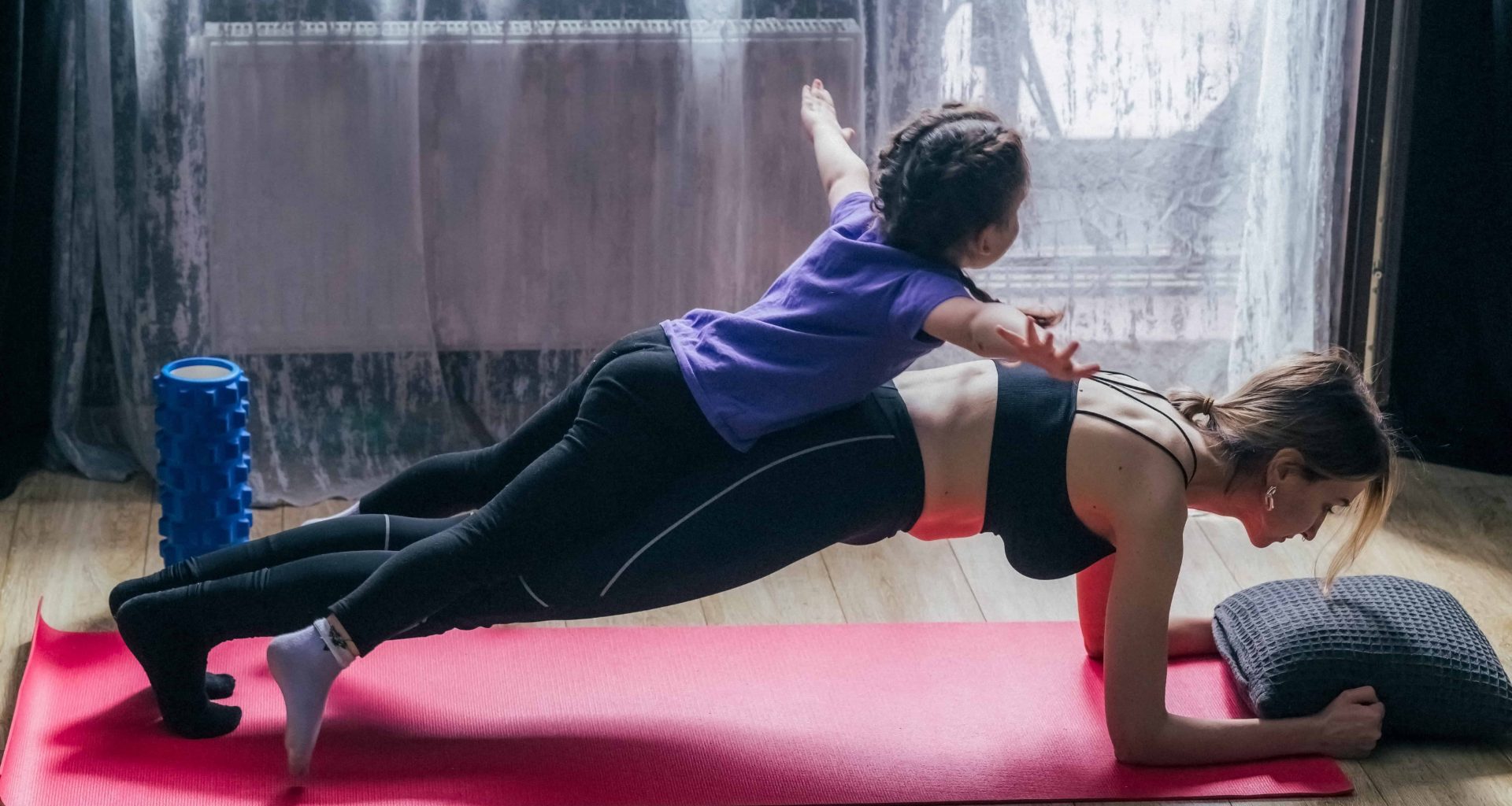
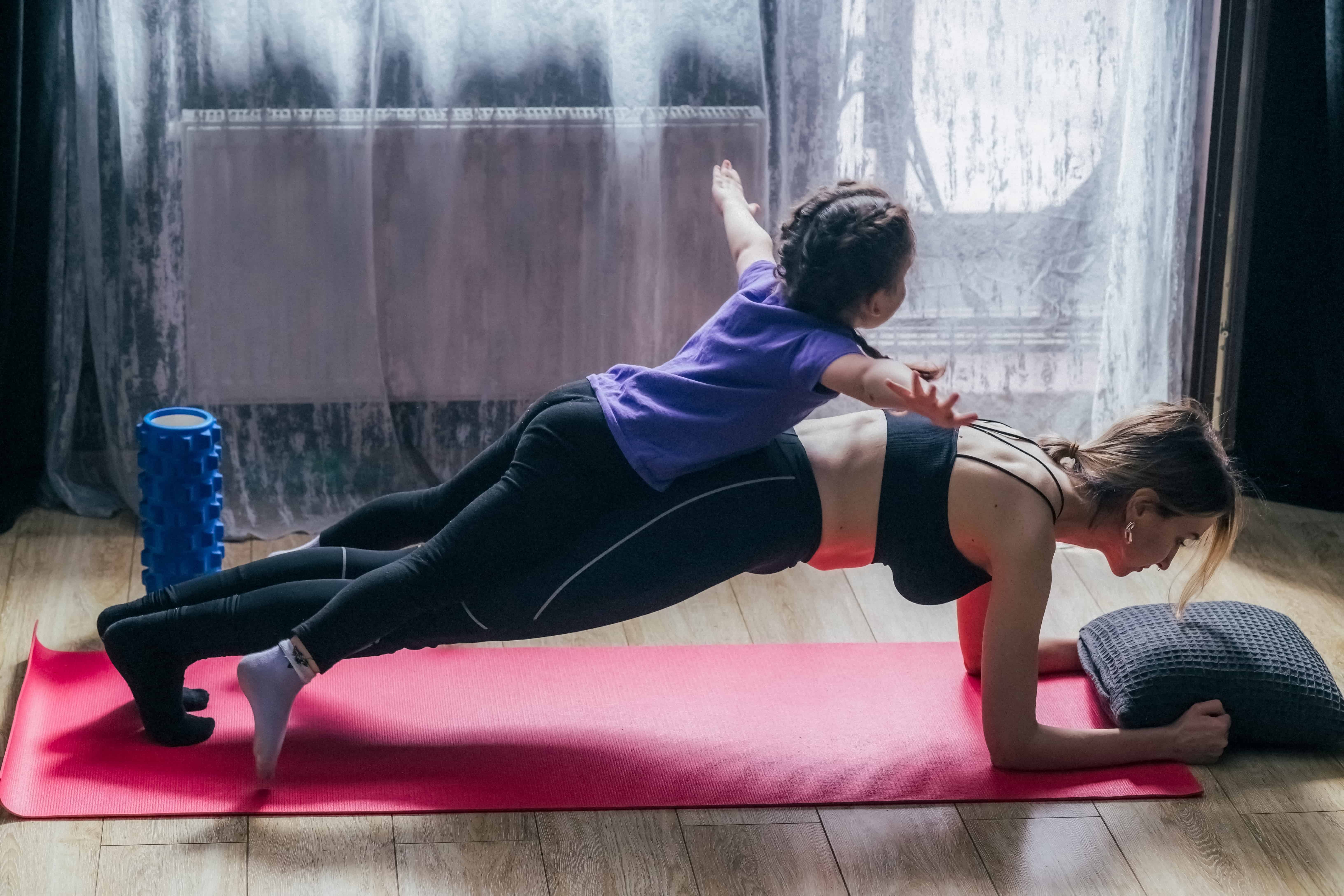
Nobody warned me about the sneeze test. I was three weeks postpartum, standing in the kitchen, and I sneezed — and that was it. Game over. I immediately texted my best friend, who'd had her baby eight months before me, and she replied back with just: "Welcome to the club. Nobody tells you." She was right. The pelvic floor is the one body part every woman relies on constantly and almost nobody talks about until something goes wrong. If you've ever leaked a little while laughing at a meme, felt a heaviness down there that wasn't there before, or just had a vague sense that your core is completely offline — this is for you. Pelvic floor exercises for moms aren't just about Kegels. They're about rebuilding a foundation that pregnancy and birth genuinely shook loose. And the good news? You can start sooner than you think, and you don't need any fancy equipment to make real progress.
Here's what I wish someone had told me in that first, hazy postpartum month: your pelvic floor is a muscle group, not a switch. You can't just clench and unclench your way back to full function, especially if you're doing it wrong — which, by the way, a shocking number of women are. A 2025 systematic review found that pelvic floor muscle training in the first year postpartum reduces the odds of urinary incontinence by 37% and pelvic organ prolapse by 56%. Those are real numbers. But they only hold up if you're actually doing the exercises correctly, consistently, and in the right progression. So let's back up and do this properly, because your body did something extraordinary and it deserves more than three minutes of half-hearted Kegels before you fall asleep.
Why Pelvic Floor Weakness Symptoms Hit Moms So Hard
Pregnancy puts around 20 extra pounds of pressure directly on your pelvic floor for months. Then, whether you had a vaginal birth or a C-section (yes, even C-section moms aren't off the hook), your core and pelvic floor muscles go through significant trauma. Nearly 35% of women experience stress urinary incontinence after delivery — the technical term for leaking when you sneeze, cough, laugh, or do a jumping jack. Almost 1 in 3 women report some degree of pelvic organ prolapse symptoms postpartum, ranging from mild pressure to a noticeable bulge. And up to 15% deal with persistent pelvic pain that lingers months after birth. Pelvic floor weakness symptoms aren't a character flaw or a sign that your recovery is going wrong. They're a predictable consequence of what your body just did. The difference between moms who recover quickly and moms who are still leaking at their kid's fifth birthday party is almost always one thing: intentional, structured rehab.
The tricky part is that most women try to do Kegels — and most women do Kegels wrong. Bearing down instead of lifting up, holding their breath, tensing everything at once. If you've ever squeezed your glutes, inner thighs, and stomach simultaneously and called it a Kegel, you're not alone. But it's not the same thing. Your pelvic floor is a hammock of muscles running from your pubic bone to your tailbone, and what you're after is a gentle internal lift — like you're picking up a blueberry with your pelvic floor. Weird analogy, but once you feel it correctly, you'll never forget it.
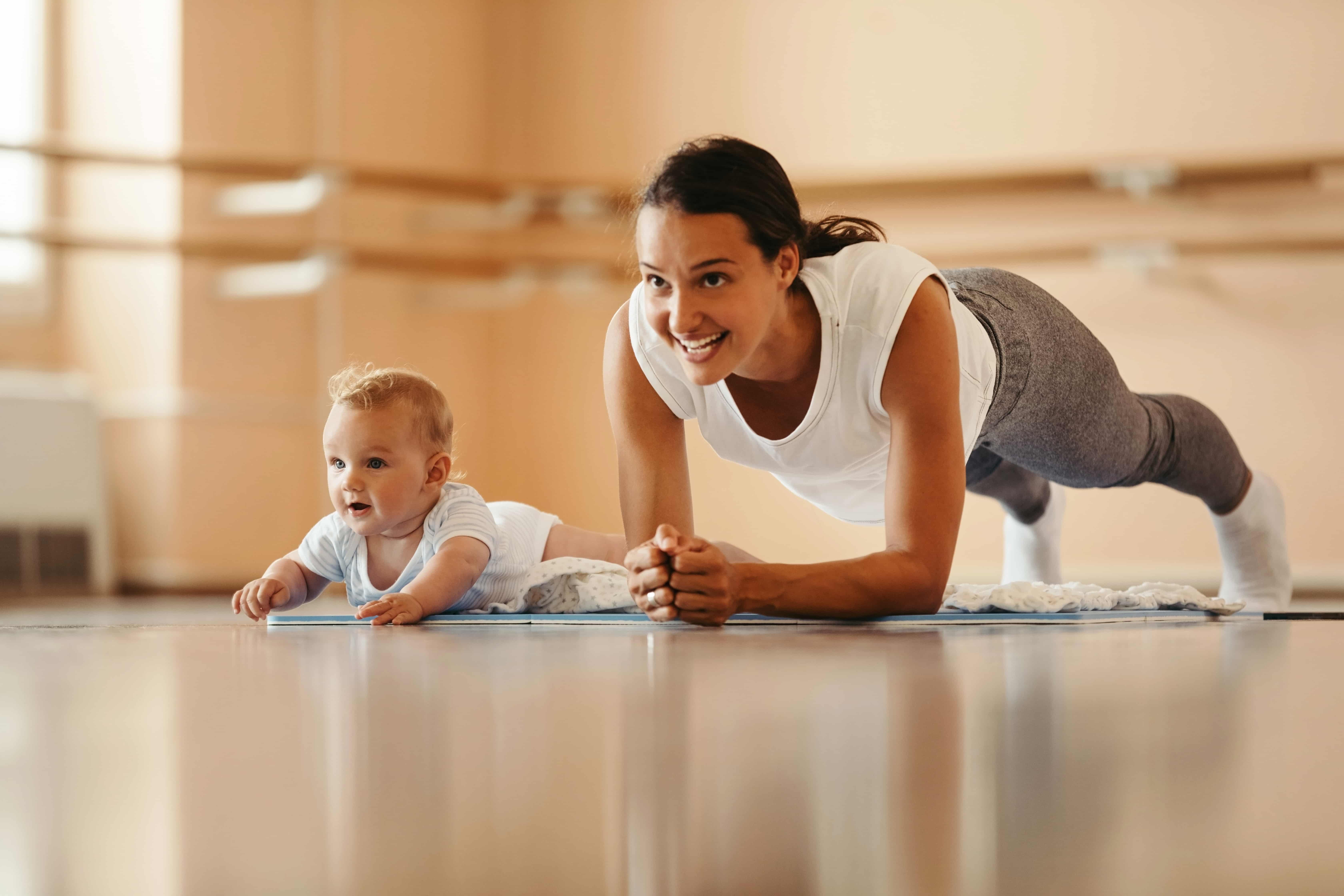
Start Here: Diaphragmatic Breathing Is the Real Foundation
Before you do a single Kegel, learn to breathe correctly. This sounds patronizing, I know. But diaphragmatic breathing — belly breathing, basically — is the starting point that most postpartum guides completely skip. Your pelvic floor and your diaphragm work as a team. When you inhale, your diaphragm drops down and your pelvic floor naturally descends and relaxes. When you exhale, both lift. This is called the "connection breath," and it's the basis for every other exercise in this list.
To practice: lie on your back with knees bent, one hand on your belly. Inhale through your nose and let your belly rise — your ribs should expand outward, not your chest lift up. As you exhale slowly through your mouth, you'll feel a subtle lift at the base of your pelvis. That's your pelvic floor activating on the exhale. Do this for 5 minutes a day and you'll have better mind-muscle connection than most women who've been doing Kegels for years. Start this one in the first week postpartum. It's gentle enough even if you had stitches.
Kegel Exercises After Birth: How to Actually Do Them
Kegels still matter. They're just not the whole story. A proper Kegel starts with a full release — you have to let everything go before you can contract. This is something a lot of moms miss: an overly tight pelvic floor is just as problematic as a weak one, and doing constant Kegels on a hypertonic (too-tight) muscle makes things worse. Classic symptom of too-tight: urgency to pee constantly, difficulty inserting tampons, or pain during sex.
Assuming your pelvic floor needs strengthening (most postpartum bodies do, at least partially), here's the formula. Inhale to release. On the exhale, gently lift and squeeze — imagine an elevator going from the ground floor to the second floor, not a death grip. Hold for 5-10 seconds, then fully release for the same count. Do 10 reps, 3 times a day. The "fully release" part is non-negotiable. Week by week, you can increase hold time and add quick flicks (fast contractions and releases) for functional strength. Quick flicks are what stop the leak when you sneeze — they train your pelvic floor to respond reflexively, not just when you're consciously clenching.
You can track progress with apps. The Squeezy app — developed by NHS physiotherapists and free to download — has guided programs with reminders and session tracking. Elvie Trainer ($199) is a biofeedback device that connects to your phone and shows real-time contractions as a gem moving on screen. Perifit Care+ ($199 on their website) is a similar device with 10 training levels and dual sensors that can actually distinguish between a correct lift and an incorrect push. Both are HSA/FSA eligible in the US, which makes the cost more manageable.
Glute Bridges: Core Exercises After Pregnancy That Actually Work
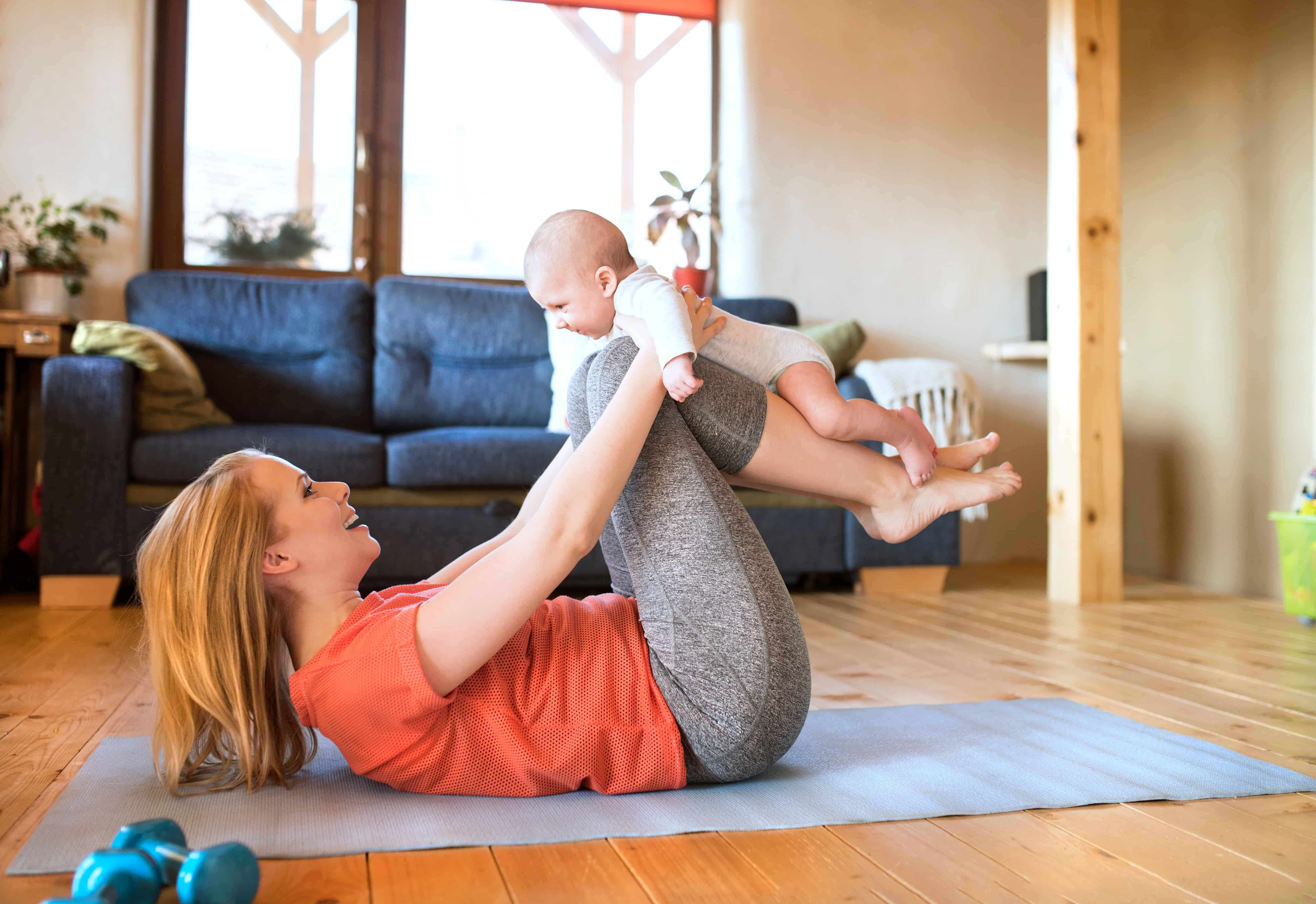
At some point between weeks 4-6 postpartum (after your OB or midwife clears you), you want to start layering in functional strength work. Glute bridges are the perfect bridge — no pun intended — between early rehab and real exercise. Lie on your back, feet flat on the floor about hip-width apart. Inhale to prepare, exhale as you press through your heels and lift your hips toward the ceiling. Hold for 2-3 seconds at the top, inhale, and lower slowly. Do 10-15 reps. The key is pairing the exhale with the effort — this is where the connection breath you've been practicing pays off. You're training your pelvic floor to fire automatically during movement, which is the functional goal.
Once regular bridges feel easy, progress to single-leg bridges (one foot lifted), then add a resistance band around your thighs for extra glute activation. Research from a 2025 meta-analysis confirms that combining lumbo-pelvic-hip exercises with isolated pelvic floor training produces better outcomes than doing either alone. Translation: bridges, clamshells, and squats actually help your Kegel results. Your pelvic floor doesn't work in isolation. Neither should your training.
Squats and Sit-to-Stands: Functional Strength That Carries Into Real Life
A proper squat is one of the best pelvic floor exercises for moms — because it mirrors every real-life movement you do a hundred times a day. Picking up a baby. Getting off the floor. Lifting a stroller into a car trunk. Squats train the pelvic floor to work under load, which is exactly what it needs to do in the real world. Start with bodyweight squats and focus on pushing your knees out (not letting them cave in), keeping your chest up, and — again — exhaling on the way up. Inhale on the way down, exhale as you stand.
Once you're cleared for more intensity (usually after that 6-week visit), sit-to-stands are incredibly useful. Sit in a chair with your feet flat, cross your arms over your chest, and stand without using your hands. Lower slowly. That's one rep. Do 8-12. This is essentially a squat but gentler on the knees and more accessible for early postpartum. From there, you can progress to goblet squats with a light kettlebell — something like a 15-20 lb bell — using the same breathing pattern throughout.
Bird Dogs and Clamshells: The Supporting Cast
Your pelvic floor has neighbors: your glutes, your hip rotators, and your deep core muscles. When those are weak, the pelvic floor compensates — and gets overwhelmed. Bird dogs and clamshells address the supporting cast. Bird dogs: start on hands and knees, wrists under shoulders, knees under hips. Inhale to brace, exhale as you extend your right arm and left leg simultaneously. Hold 2-3 seconds. Return. Switch sides. That's one rep. 8-10 reps per side. Your back should stay completely flat — no arching or sagging. If your hips rotate when you extend, you've gone too wide.
Clamshells: lie on your side, knees bent at 45 degrees, feet stacked. Keep your feet together and slowly open your top knee toward the ceiling, like a clamshell opening. Hold 2 seconds, lower slowly. Do 12-15 reps per side. You should feel this in your outer glute, not your lower back. If you feel it in your back, your hips are rolling backward — tuck them slightly forward. These two exercises might feel boring compared to a HIIT class. They're not glamorous. But they're doing real structural work that protects your pelvic floor from overload as you ramp up intensity later.
When to Consider Pelvic Floor Physical Therapy
If you're doing all of this consistently and still leaking at three months postpartum, or if anything hurts, or if you feel that pressure or heaviness that signals prolapse — please see a pelvic floor physical therapist. This is not a luxury or a "nice to have." It's the most efficient path back to full function, and it's wildly underutilized. Pelvic floor PT costs between $75-$200 per session out of pocket, but most major insurance plans cover it when there's a documented symptom like incontinence or postpartum pelvic pain. Initial evaluations run $150-$300. Co-pays with insurance can be as low as $10-$50 per visit.
A typical plan of care is 6-12 sessions. A good therapist will assess whether your pelvic floor is actually weak (needs strengthening) or hypertonic (needs releasing), and prescribe accordingly. If you've been doing Kegels for months and nothing is improving, a tight pelvic floor could be why. Manual therapy from a PT is the fastest way to address that. You can find certified pelvic floor PTs through the APTA's directory at pelvicrehab.com or through your OB's referral.
Pelvic Floor Exercises for Moms: A Do's and Don'ts Table
| Do | Don't | |
|---|---|---|
| 1 | Start diaphragmatic breathing in week 1 postpartum | Wait until your 6-week checkup to do anything at all |
| 2 | Exhale on every effortful movement | Hold your breath during exercises |
| 3 | Release fully between Kegel contractions | Clench constantly without releasing |
| 4 | Progress gradually — bridges before squats before jumps | Jump straight back to high-impact exercise |
| 5 | See a pelvic floor PT if symptoms persist past 3 months | Assume leaking is just "part of being a mom" forever |
| 6 | Train your glutes and hip rotators alongside Kegels | Focus only on isolated pelvic floor squeezes |
| 7 | Use a biofeedback device if you're unsure you're contracting correctly | Guess and hope for the best |
| 8 | Tell your provider about prolapse symptoms — heaviness, bulging, pressure | Ignore signs of pelvic organ prolapse |
| 9 | Stay hydrated — a dehydrated bladder is more irritable | Restrict fluids thinking it'll reduce leaking |
| 10 | Do 10 Kegel reps with full release, 3x daily | Do 100 rapid Kegels with no rest |
| 11 | Include squats and functional movements starting at 6 weeks | Avoid all lower body strength training "to protect" your pelvic floor |
| 12 | Check with your provider before returning to running (usually 12+ weeks minimum) | Start running at 6 weeks just because you feel fine |
FAQs
How soon after birth can I start pelvic floor exercises for moms?
Diaphragmatic breathing can start within the first 24-48 hours after birth — even in the hospital. It's that gentle. Gentle Kegels (if there's no significant tearing or major discomfort) can usually begin in the first week. The key word is gentle. You're not doing a workout; you're re-establishing a neural connection. Think of it as sending a "hello, are you there?" to your pelvic floor muscles. The more intense exercises — bridges, squats, anything load-bearing — should wait until your 6-week clearance. And returning to running, jumping, or high-impact exercise typically shouldn't happen before 12 weeks at the earliest, and only if you pass some basic functional tests like being able to jog on the spot for 1 minute without leaking or discomfort.
What are the main pelvic floor weakness symptoms I should watch for postpartum?
The most common signs are stress incontinence (leaking when you sneeze, cough, laugh, or lift), urgency incontinence (sudden desperate need to pee with little warning), pelvic heaviness or pressure (especially worse after being on your feet all day), a sensation of something bulging at the vaginal opening, pain during intercourse, and lower back or hip pain that doesn't have an obvious musculoskeletal explanation. Nearly 35% of postpartum women experience some form of urinary incontinence after delivery. If you're experiencing pelvic pain alongside any of these, that's a more urgent reason to see a pelvic floor PT rather than just waiting it out.
Is leaking when I sneeze normal after having a baby? Will it go away on its own?
It's common. Very common. But "common" and "normal" aren't the same thing — it doesn't have to be permanent. Some mild stress incontinence does resolve on its own in the first few months, especially with consistent pelvic floor exercises. But if you're still leaking at 3-4 months postpartum despite doing your exercises, it won't magically disappear at 6 months either. That's when to bring in a pelvic floor PT. The sooner you address it, the faster you fix it. Most women see significant improvement within 6-12 PT sessions when they actually address the root cause rather than just doing more Kegels.
Are Kegel exercises safe after a C-section?
Yes, absolutely. The pelvic floor goes through 9 months of pregnancy regardless of how you delivered. The extra abdominal pressure, hormonal changes, and the weight of a growing baby all affect pelvic floor function — C-section moms aren't exempt. That said, C-section moms also need to address the abdominal scar specifically, which can create fascial restrictions that affect core function. Diaphragmatic breathing and gentle Kegels are appropriate starting points. Your scar tissue becomes a conversation to have with a PT, ideally starting scar massage at 6-8 weeks post-surgery once the incision is fully closed.
What's the difference between pelvic floor physical therapy and just doing Kegels at home?
Night and day, honestly. A pelvic floor PT does an internal assessment to figure out what's actually going on with your specific muscles — whether they're weak, tight, uncoordinated, or some combination. They can identify if you're bearing down instead of lifting up during Kegels (extremely common), if you have hypertonic muscles that need releasing before they can be strengthened, and if your symptoms are related to nerve issues rather than muscle weakness. They also give you a personalized progression. Kegels at home are great maintenance. But if you have actual symptoms — leaking, pain, prolapse, pressure — PT is where the real diagnosis and treatment happen.
How long does postpartum pelvic floor recovery take?
Honestly? It varies a lot. Mild stress incontinence that you address early with consistent exercises can improve significantly within 6-12 weeks. More significant dysfunction, or cases where rehab doesn't start until months postpartum, can take 3-6 months of structured work. Pelvic organ prolapse is managed rather than "fixed" — with the right exercises and lifestyle modifications, symptoms can become completely manageable, but it's a longer-term process. The 2025 research shows that pelvic floor training in the first year postpartum reduces incontinence odds by 37% — so that whole first year is a window of real opportunity. Don't write it off just because you're out of the newborn haze.
Can I use a pelvic floor trainer device instead of seeing a PT?
Devices like the Elvie Trainer ($199) or Perifit Care+ ($199) can be really helpful for women who have mild symptoms, want biofeedback to make sure they're contracting correctly, or want to complement PT between sessions. Both are HSA/FSA eligible, which softens the cost. But they're not a substitute for professional assessment if you have significant symptoms. The sensors detect contraction strength, not the underlying cause of dysfunction. Think of a device as a great training tool for someone who just needs guidance on form — not a diagnostic replacement for a trained clinician who can identify whether you need to strengthen or release.
What are core exercises after pregnancy that are safe to do alongside pelvic floor work?
Dead bugs are a favorite — lying on your back, arms and legs in tabletop position, lowering opposite arm and leg toward the floor while keeping your lower back pressed down. They train deep core stabilization without spinal loading. Heel slides are another good early one: lying on your back, slowly slide one heel along the floor until your leg is extended, then slide back. That's it. Incredibly gentle, incredibly effective at reactivating your transverse abdominis. Modified planks (on your knees) can come in around weeks 6-8 if you've been progressing well. The key rule for all of these: exhale on the effort, never hold your breath, and if you feel any coning or doming at your midline (a sign of diastasis recti), scale back immediately and talk to your PT.