Hidden Veggie Meals Your Picky Eater Will Actually Finish
Slug: hidden-veggie-meals-for-picky-eaters
Author: Emily
Category: Food and Everyday Nutrition
Primary Keyword: hidden vegetable recipes for kids
Secondary Keywords: picky eater meal ideas, sneaking vegetables into kids food, veggie loaded kids dinners, how to get kids to eat vegetables
Meta Description: Discover the best hidden vegetable recipes for kids that even the pickiest eaters will devour — real meals, real results, zero mealtime battles.
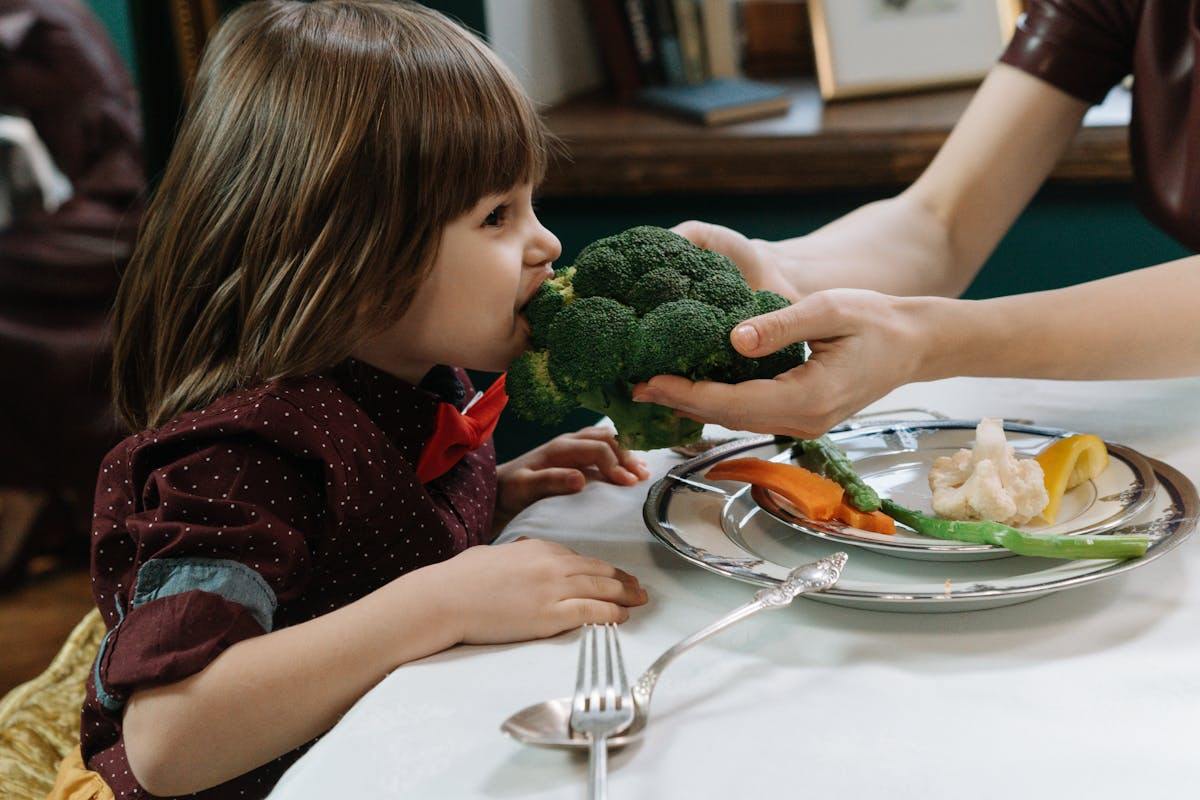
My son Theo once looked me dead in the eyes, pushed a plate of roasted broccoli across the table, and said, "I don't eat trees." He was four. I didn't know whether to laugh or cry into my wine. That was the moment I started obsessively researching hidden vegetable recipes for kids — not out of defeat, exactly, but out of sheer survival instinct. He was surviving on buttered pasta, cheese sticks, and whatever stray crackers he found in the couch cushions. I needed a plan.
What I discovered changed how I cook. Not in some dramatic, Michelin-star kind of way — just in a "I now blend half a zucchini into the pasta sauce and nobody has noticed for 18 months" kind of way. These meals aren't about tricking your kids forever. They're a bridge. A way to get real nutrition into their growing bodies while the food preferences slowly, painfully catch up. And honestly? Some of these recipes are so good that I eat them on purpose. So if you've got a picky eater who treats vegetables like a personal insult, keep reading. I've tested these in my actual kitchen with my actual chaotic children, and they work.
Why Hidden Vegetable Recipes for Kids Actually Work
Here's the thing nobody tells you: picky eating in kids is largely about texture and visual cues, not just flavor. A child who refuses broccoli isn't necessarily reacting to the taste — it's the weird tree shape, the slightly sulfur-y smell when it steams, the way it sits on the plate like a threat. When you puree spinach into a meatball or fold grated zucchini into a muffin batter, you're removing all those triggers. The flavor profile stays familiar, the texture stays comfortable, and the veggie just… disappears. Pediatric dietitians have noted for years that repeated exposure matters too — even hidden exposure to vegetable flavors can slowly shift a child's palate over time. It's not cheating. It's strategy.
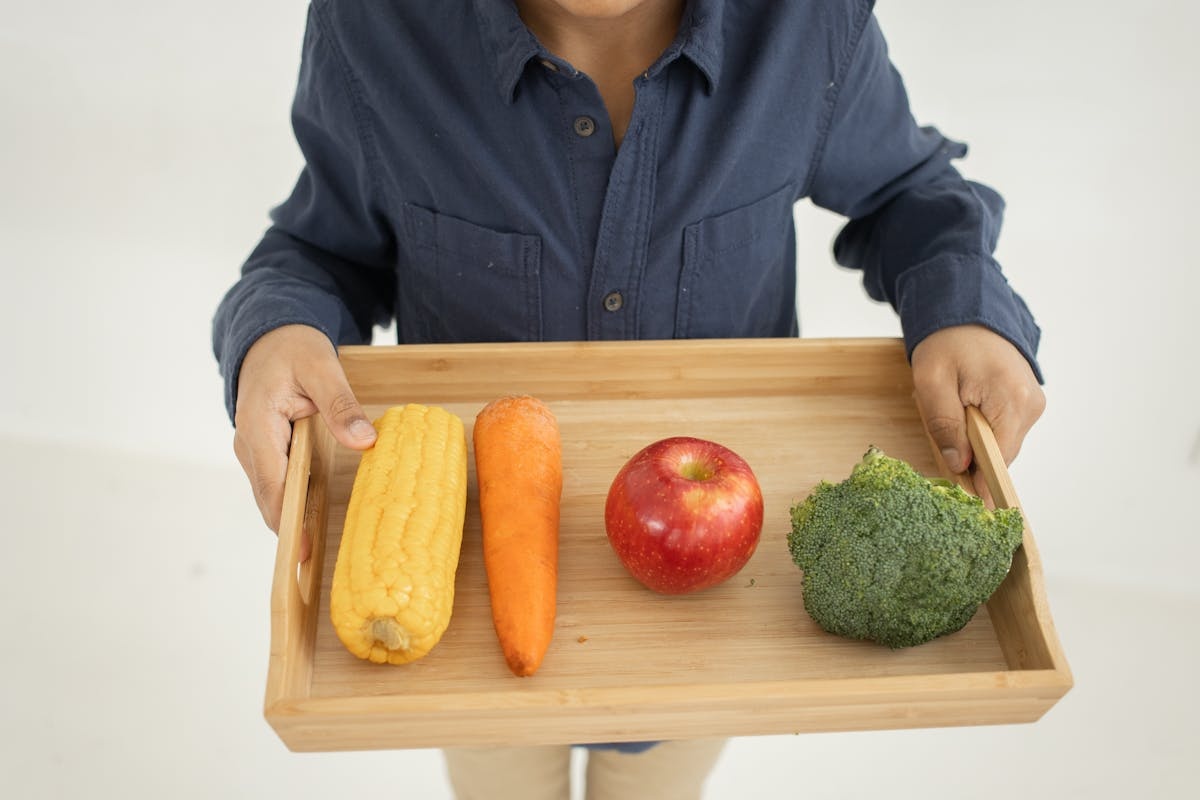
The trick is choosing the right vegetables for hiding. Cauliflower, zucchini, spinach, carrots, and butternut squash are your best friends here. They're mild, they puree or grate down to almost nothing, and they don't fight with other flavors. Strong-tasting vegetables like Brussels sprouts or raw onion? Save those for your own plate. For hidden veggie cooking, mild and starchy wins every time.
The Pasta Sauce That Changed Everything
This is the one I make every single week. I take a basic tomato sauce — I usually start with a 24oz jar of Rao's Homemade Marinara (around $10 at Costco, worth every penny) — dump it in a saucepan, and add: one grated carrot, one small grated zucchini, and a handful of baby spinach. Let it simmer for about 15 minutes until the spinach wilts completely, then hit the whole thing with an immersion blender for 30 seconds. It turns out a gorgeous deep red. Absolutely no evidence of vegetables. Theo has eaten this over spaghetti, poured over chicken, and once just on bread like a dipping sauce, and he has never once suspected a thing.
You can also add a quarter cup of pureed butternut squash to the jar before blending — it adds a faint sweetness and thickens the sauce beautifully. The color actually gets richer, so visually it looks more appealing. Total extra effort: maybe five minutes. Nutritional payoff: significant.
Zucchini Turkey Meatballs (A Weeknight Hero)
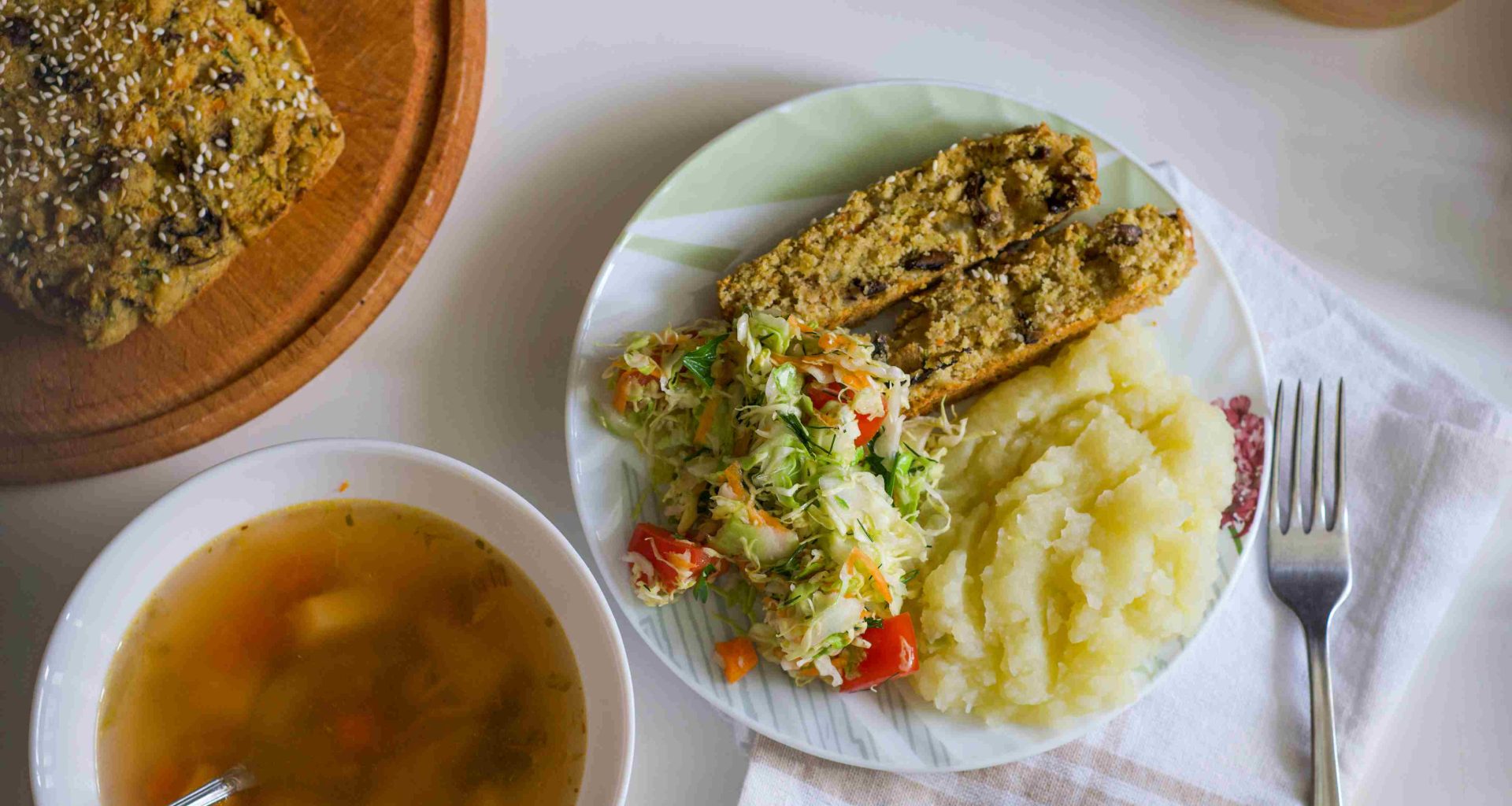
Meatballs are probably the single most forgiving vehicle for hidden vegetables on the planet. I make a big batch on Sunday, freeze half, and we're eating them through Wednesday. My recipe: one pound ground turkey, one cup finely grated zucchini (squeeze out the water in a clean dish towel first — this step matters), one egg, a third cup breadcrumbs, a tablespoon of parmesan, garlic powder, salt, pepper. Mix, roll into balls, bake at 400°F for 18-20 minutes.
The grated zucchini adds so much moisture that the meatballs stay incredibly soft — which is actually better for kids who hate chewy textures. You can fit about three-quarters of a medium zucchini into one batch of 20 meatballs. I've also done this with finely grated carrot, which works equally well and adds a barely-there sweetness. Serve over that hidden veggie pasta sauce above and you've got like four vegetables in one dinner. Honestly feels illegal how easy it is.
Cauliflower Mac and Cheese Your Kids Will Request Again
Mac and cheese is sacred ground in a picky eater household. Do not mess it up. The good news: cauliflower is basically the perfect hidden veggie for this dish because it has almost no flavor of its own — it just absorbs whatever surrounds it. Steam one heaping cup of cauliflower florets until they're very soft, then blend them with half a cup of warm milk until completely smooth. Add that puree directly into your cheese sauce while you're making it. The result is a slightly thicker, creamier mac than usual. That's it. That's the whole secret.
My daughter Lila is six and deeply suspicious of most things green. She ate two helpings of this version last week and asked if we could have it "every Friday forever." The cauliflower adds almost no calories but does add fiber, vitamin C, and choline. One cup of steamed cauliflower per pot of mac stretches across about four kid servings — so each serving gets a meaningful amount of hidden nutrition without changing the taste even slightly.
Spinach Chocolate Muffins (Yes, Really)
This sounds unhinged. I know. But hear me out. Fresh spinach has almost no flavor, especially when it's blended — it mainly just adds color. When you're working with chocolate, that color becomes completely masked. I blend one packed cup of baby spinach with half a cup of unsweetened applesauce in my Ninja blender until it's a smooth green puree, then add it to a standard chocolate muffin batter (I use the back-of-the-box recipe from Ghirardelli's cocoa tin, which makes a reliably fudgy muffin). The muffins bake up completely brown. Zero green visible. Slightly more moist than a regular chocolate muffin, which kids love.
Each muffin ends up with roughly a tablespoon of pureed spinach. Not enough to replace a real vegetable serving, but enough to add iron and folate into what would otherwise be just a sugar delivery vehicle. I make two dozen on Sunday, stick them in a gallon Ziploc, and they're gone by Thursday between after-school snacks and packed lunches. One mom friend of mine told me she uses this same trick with sweet potato — sub in half a cup of sweet potato puree for the applesauce-spinach blend. The muffins turn a lovely orange and taste slightly caramel-y. I'm making that version next.
Hidden Veggie Pancake Hacks for Picky Breakfast Eaters
Breakfast is often the meal parents give up on first — too tired to fight the battle before 8am, totally fair. But it's also one of the easiest opportunities to sneak in nutrition. A couple of tablespoons of pureed butternut squash stirred into pancake batter turns the pancakes a pretty golden-orange color that kids actually find appealing. Serve with maple syrup and nobody questions the color. Grated zucchini works here too — add about a quarter cup to a standard Bisquick batter, let it sit for two minutes so it hydrates slightly, and the pancakes cook up fluffy and just a tiny bit denser. Good dense. Filling dense.
Sweet potato pancakes are another move entirely. Mash half a roasted sweet potato (about half a cup), mix it into your regular pancake batter with a pinch of cinnamon, and cook as usual. They're soft, slightly sweet, and naturally flavorful. My kids ask for "orange pancakes" like it's a treat. Sweet potato is genuinely packed with vitamin A, potassium, and fiber — so this is a breakfast that actually does something for them beyond just keeping them alive until lunch.
Veggie-Loaded Quesadillas That Disappear in Minutes
Quesadillas have one superpower that almost no other food has: melted cheese covers everything. Everything. I finely chop — and I mean finely, almost minced — bell pepper, zucchini, and spinach, then sauté them in a tiny bit of olive oil for about four minutes until soft. Cool slightly, then fold into quesadillas with shredded Mexican blend cheese before toasting in a dry pan. The vegetables soften into the cheese and basically become one unified cheesy filling. No weird textures sticking out.
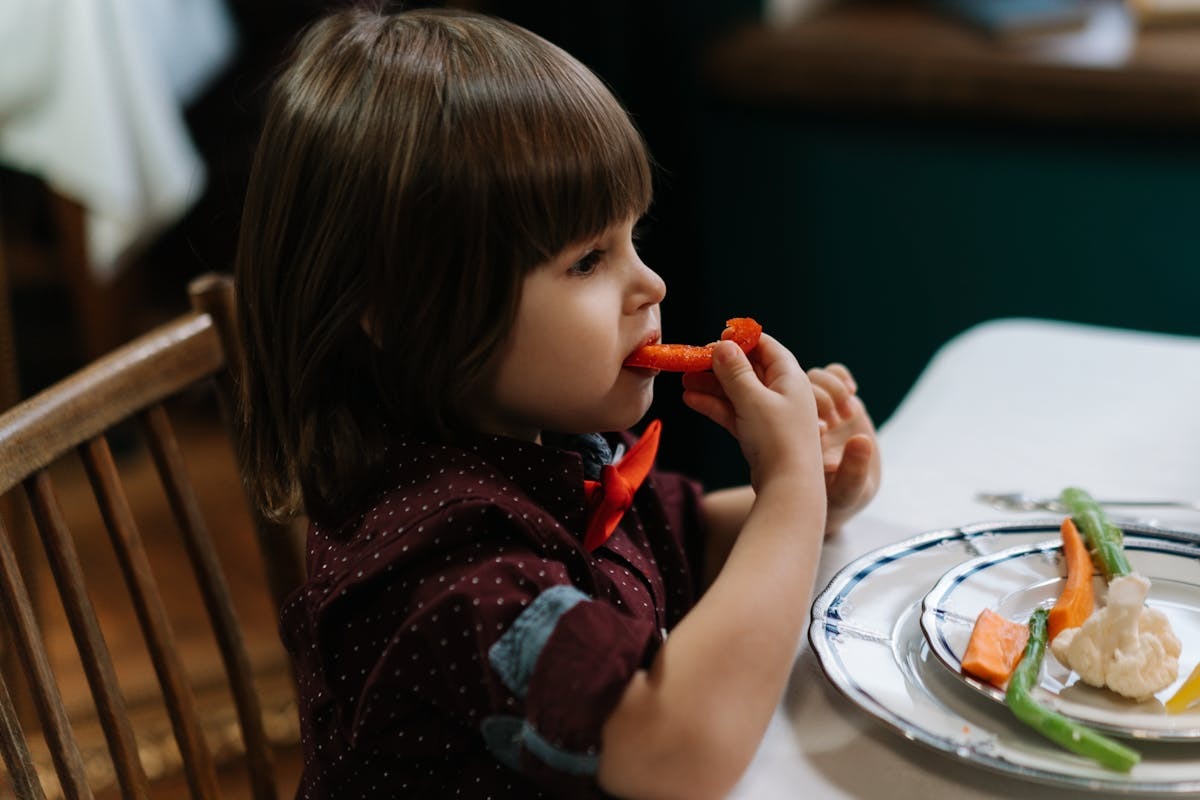
You can also puree roasted red bell pepper and fold it into cream cheese as a quesadilla spread — that one has a slightly sweet, smoky flavor kids tend to like. Bell peppers are genuinely impressive nutritionally: more vitamin C per serving than an orange, plus antioxidants and vitamin B6. And they disappear completely inside a quesadilla when they're cooked down and chopped fine. Serve with salsa or sour cream for dipping and watch the whole thing vanish. Total cook time: under 10 minutes.
Do's and Don'ts for Sneaking Vegetables Into Kids Food
| Do | Don't |
|---|---|
| Use mild vegetables: cauliflower, zucchini, spinach, carrot, sweet potato | Hide strong-flavored veggies like Brussels sprouts or raw onion — they'll still taste them |
| Grate or puree vegetables before adding — texture giveaways are the #1 way kids notice | Add chunks or visible pieces in dishes that should be uniform (pasta sauce, muffins) |
| Match colors — add orange/red veg to red sauces, white veg to creamy sauces | Dump in a green veggie and hope for the best in a dish that should look beige |
| Squeeze water out of grated zucchini before using — prevents soggy dishes | Skip this step and end up with wet, dense muffins or meatballs that fall apart |
| Start with small amounts (a quarter cup) and gradually increase over a few weeks | Go too big too fast — they might notice a flavor shift and suddenly refuse a favorite food |
| Keep veggie-loading your own plate visibly — modeling still matters long-term | Rely only on hidden veggies forever; keep offering whole vegetables alongside |
| Taste-test your hidden veggie dish before serving — if you can taste it, they will | Serve something you haven't actually tried yourself |
| Use cheese, sauce, and spices generously — they're your best camouflage | Make bland, under-seasoned dishes and blame the vegetables when kids reject them |
| Batch cook and freeze (muffins, meatballs, sauces) for busy weeknights | Re-make hidden veggie dishes from scratch every single time — you'll burn out |
| Tell kids eventually as they get older — it can actually build pride ("you eat vegetables!") | Lie about it indefinitely; transparency when they're ready builds better food relationships |
| Use an immersion blender for smooth pasta sauces — way easier than transferring to a blender | Skip the blend and leave chunky bits in a sauce that should be smooth |
FAQs About Hidden Vegetable Recipes for Kids
Q: Is it wrong to hide vegetables in kids' food instead of teaching them to eat them outright?
Honestly, this is a debate in parenting and nutrition circles, and I think the answer is: it depends on your kid and your family. Most pediatric dietitians agree that hidden veggies should be in addition to regular exposure to whole vegetables, not a permanent replacement for it. You still want to keep offering broccoli, even if Theo calls it a tree. The hidden veggie approach is a nutritional safety net while the real food relationship develops — and it can take years. Do both, feel no guilt.
Q: Which vegetables are easiest to hide in kids' food?
Cauliflower is probably the easiest — it's white, nearly flavorless, and blends to a smooth cream. Zucchini is a close second because it grates down to almost nothing and adds moisture to baked goods. Spinach is great in anything chocolate or dark-colored. Carrots and sweet potato work brilliantly in orange-colored dishes. Butternut squash is incredibly versatile — pasta sauces, mac and cheese, pancakes, muffins. Start with these five and you'll cover most of your bases.
Q: Will my kid eventually notice the vegetables are there?
Depends on how you hide them. The key mistakes that get parents caught: not pureeing smoothly enough, adding too much too fast, or using a strong vegetable in a dish where the flavor doesn't belong. If you puree thoroughly and stay with mild vegetables, most kids (especially under 10) won't notice. My Theo still hasn't caught on after a year and a half, and this child is suspicious by nature.
Q: How much vegetable can I realistically hide in one meal?
A cup of blended cauliflower in a pot of mac, a grated zucchini in 20 meatballs, a cup of spinach blended into chocolate muffins — these amounts are all meaningful. You're not replacing a full vegetable serving, but you're adding real fiber, vitamins, and antioxidants that wouldn't otherwise be there. Think of it as nutritional stacking rather than replacement.
Q: Can I use frozen vegetables for hidden veggie cooking?
Absolutely, and I often prefer them. Frozen spinach is already partially broken down, which makes it blend more smoothly into sauces. Frozen cauliflower steams quickly and purées beautifully. Frozen carrots soften fast. They're often more nutritious than fresh because they're frozen at peak ripeness. A 10oz bag of frozen spinach from Trader Joe's runs about $2.29 — incredible value for the amount you get.
Q: What if my kid has texture issues beyond just picky eating?
If your child has sensory processing differences or diagnosed feeding difficulties, the standard "sneak it in" approach may not be appropriate without input from a feeding therapist. Kids with true texture sensitivities often detect even small changes in familiar foods. A pediatric occupational therapist who specializes in feeding can be a solid win and is worth asking about at your next pediatrician visit.
Q: Do hidden vegetable recipes actually change a picky eater's preferences over time?
Some research suggests that repeated flavor exposure — even in a hidden form — can slowly familiarize kids with vegetable tastes, making them more likely to accept those vegetables in other forms later. It's not a guarantee, but it's a real mechanism. Lila, who once refused anything that touched a vegetable on the plate, now actually requests the "orange pancakes" and will eat sweet potato fries without complaint. We're calling that progress.
Q: My kid already rejected a food after I added veggies and now won't eat it. Help.
This is the nightmare scenario and it happens. The fix: take a break from that dish for a few weeks, then reintroduce it without any additions until they trust it again. When you bring back the hidden veggie version, reduce the amount by half and build up more slowly. Also: blend more thoroughly. Texture giveaways are usually what tips them off, not flavor.
Image Tags
- picky eater child refusing vegetables at dinner table
- mom blending vegetables in kitchen for hidden veggie sauce
- zucchini turkey meatballs on plate with pasta
- cauliflower mac and cheese in bowl for kids
- chocolate muffins with hidden spinach on cooling rack
- child happily eating mac and cheese unaware of veggies
- grated zucchini in a bowl for baking
- veggie pasta sauce being blended with immersion blender
- golden orange pancakes on plate with maple syrup kids breakfast
- cheesy quesadilla cut into triangles on kids plate
- batch cooking hidden veggie meatballs on baking sheet
- mom and child cooking together in kitchen smiling
Blog Tags
hidden veggie recipes, picky eater meal ideas, sneaking vegetables into kids food, veggie loaded kids dinners, how to get kids to eat vegetables, hidden vegetable recipes for kids, zucchini meatballs, cauliflower mac and cheese, spinach muffins, kids dinner ideas, toddler nutrition, family dinner recipes