Introduction
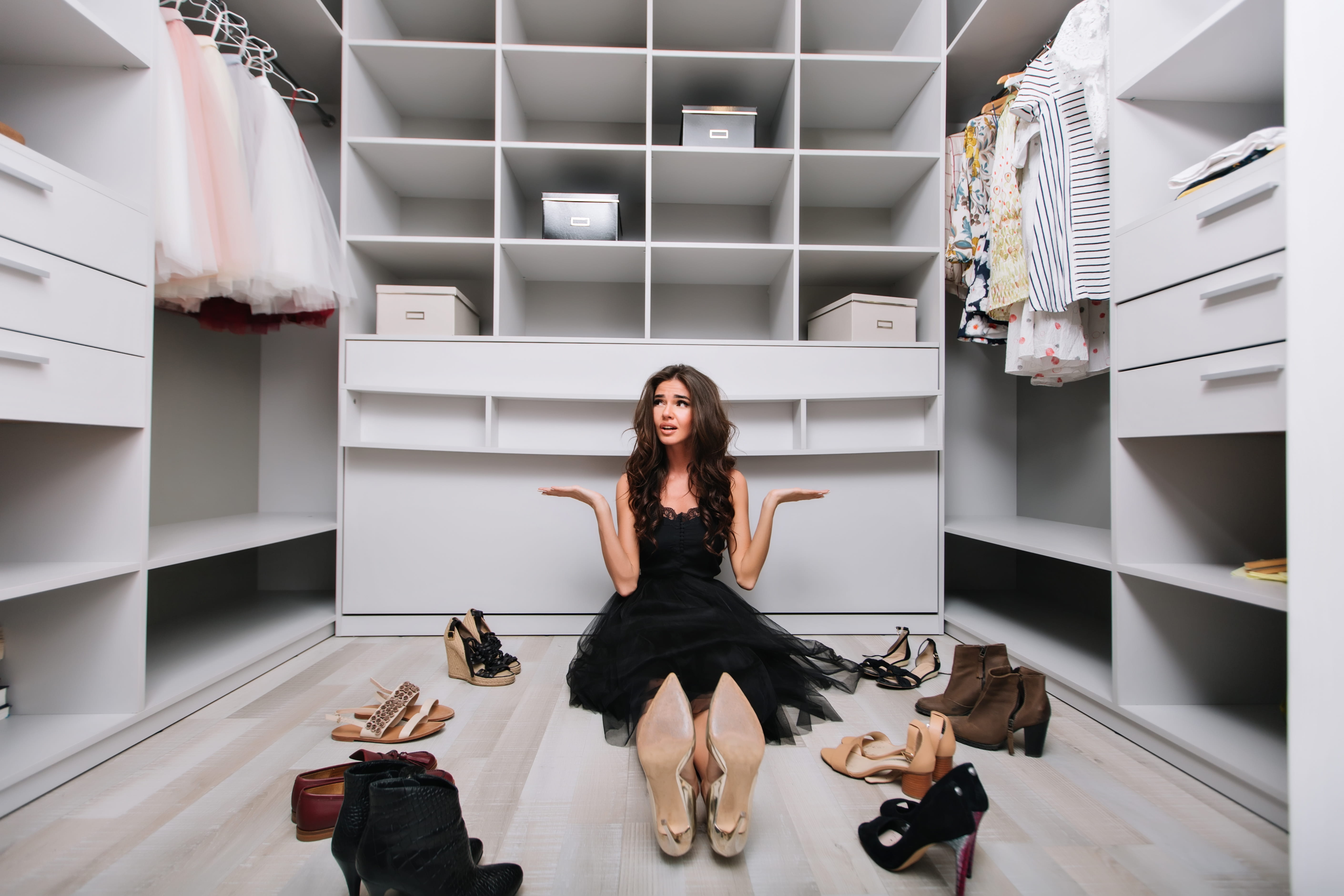
Let me tell you something embarrassing. Last spring I stood in front of my closet for twelve minutes — I timed it — and I had nothing to wear. Forty-something items hanging there, none of them working together, most of them either stained with something I couldn't identify or three sizes off from where my body actually lives now. I had a blouse from 2019 I'd worn twice and a pile of leggings that were somehow both too tight and too stretched out at the same time. It was a disaster. I threw on a Target crewneck I'd owned since before my first kid was born and called it a day. Again.
Here's the thing nobody warns you about: becoming a mom doesn't just change your schedule and your sleep. It changes your body, your budget, and your relationship with getting dressed entirely. You're not the same person who bought all that stuff. And now you've got about forty-seven dollars left after the grocery run, and rent is in two weeks, and your kid just went up a shoe size. Building a wardrobe from scratch — or rebuilding one that actually works — when money is genuinely tight isn't a Pinterest project. It's a survival skill. The good news? It's completely doable. Here's how.
Start With a Ruthless Closet Audit Before You Buy a Single Thing
Stop. Don't open a single app or drive to any store yet. First, you have to know what you're actually working with. Pull everything out of your closet — everything — and put it on the bed. Yes, even the stuff shoved in the back. Yes, even the jeans you're "going to fit into eventually." Now ask yourself three questions for every item: Does it fit my body right now? Does it work with at least two other things I already own? Would I buy this again today?
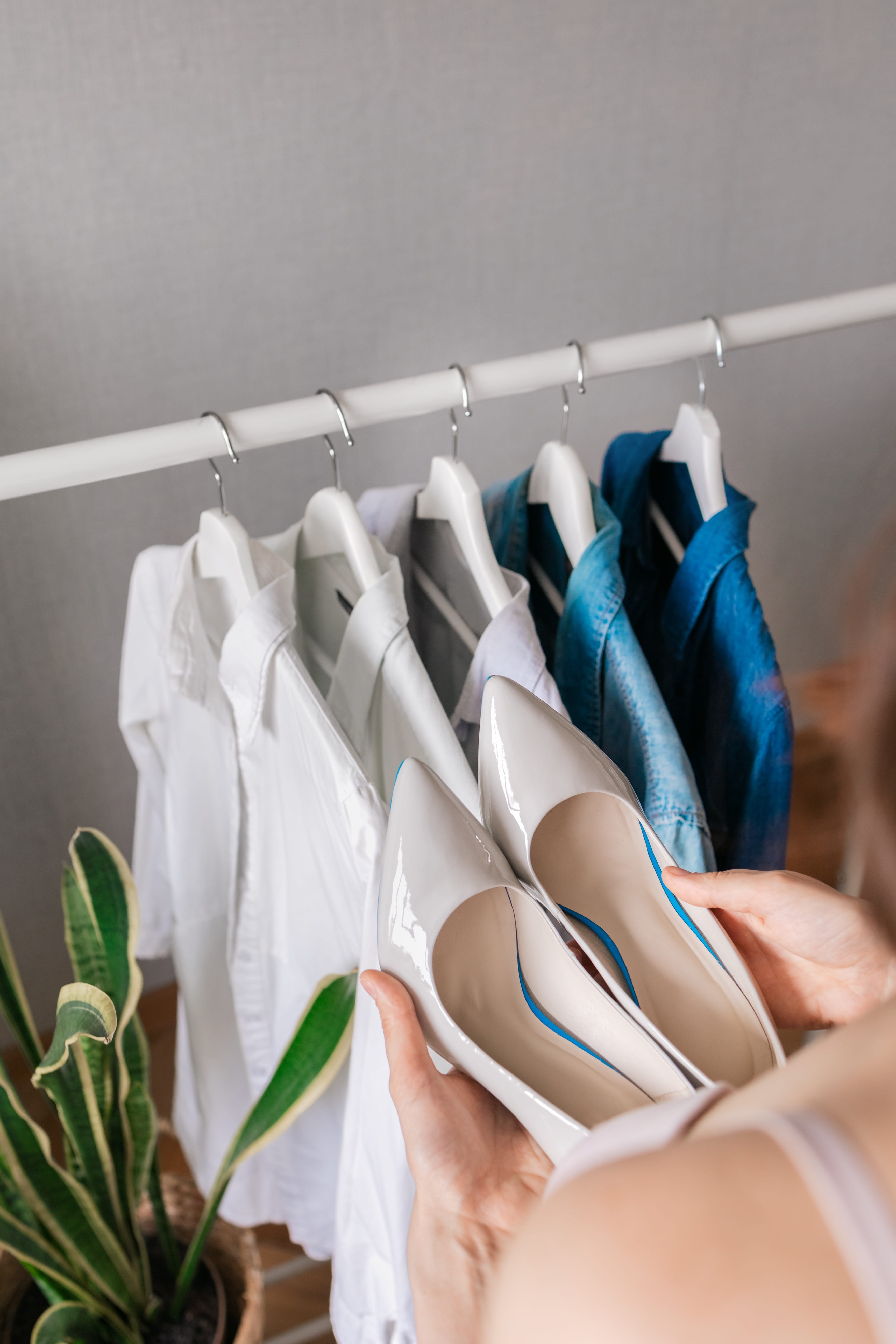
If something fails all three, it goes. Sell it on Poshmark or ThredUp, or donate it. If it only fails one — say, it fits but doesn't match anything — keep it on a "consider" pile and figure out later whether one new item could make it work. What you're doing here is identifying your actual baseline. You'll almost always find you have more than you thought, and you'll see patterns — maybe you have ten tops and zero versatile bottoms, or five pairs of dark jeans but no decent casual shoes. The audit tells you exactly where to spend your limited money instead of guessing at the store.
Figure Out Your Actual Lifestyle, Not Your Fantasy One
Here's where a lot of budget style advice goes sideways: it tells you to buy "classic pieces" like a tailored blazer and silk blouses. And sure, great advice — if you're going into an office four days a week. If you're a work-from-home mom doing preschool drop-off, soccer practice, and the occasional Zoom call, that blazer is going to collect dust.
Be honest about your week. Write it down if you need to. How many days are you in actual public in clothes that need to look put-together? How many days are you basically in motion — lifting kids, running errands, chasing a toddler through Target? Your wardrobe has to serve the life you're actually living, not the aspirational one. For most millennial moms in 2026, that means the sweet spot is comfortable-but-intentional: things that look like you tried without requiring you to iron anything.
Build on Neutral Basics That Mix Like a Formula
Once you know your gaps, here's your buying framework. You want a small core of neutral basics that work together automatically, no thinking required on a Wednesday morning when everyone's running late and someone spilled juice on themselves.
Think: two or three well-fitting pairs of pants (one dark denim, one black, maybe one neutral-colored casual), four to five tops in solid neutrals (white, black, grey, navy, a warm tan), one or two layering pieces (a cardigan, a zip-up, a lightweight jacket), and whatever shoes cover your main scenarios (one casual sneaker, one pair that works for errands and looks slightly nicer). That's genuinely all you need to start. Old Navy's Pixie pants run about $35 and go with literally everything. Target's A New Day crewnecks are $13–$15 and hold their shape. Amazon Essentials has a ribbed turtleneck for $22 that looks way more expensive than it is. You're not trying to have a lot of clothes — you're trying to have clothes that work together so you're never stuck staring at your closet again.
Thrift First, Retail Second — That's the Rule Now
The resale market in the US grew 14% in 2024. A record 58% of American consumers bought secondhand that year. This isn't a fringe thing anymore — it's where the smart money goes, and for good reason. You can find an Ann Taylor blazer at Goodwill for $6.99. A barely-worn pair of Levi's on ThredUp for $12. A like-new Madewell denim jacket on Poshmark for $18 when it retails for $148.
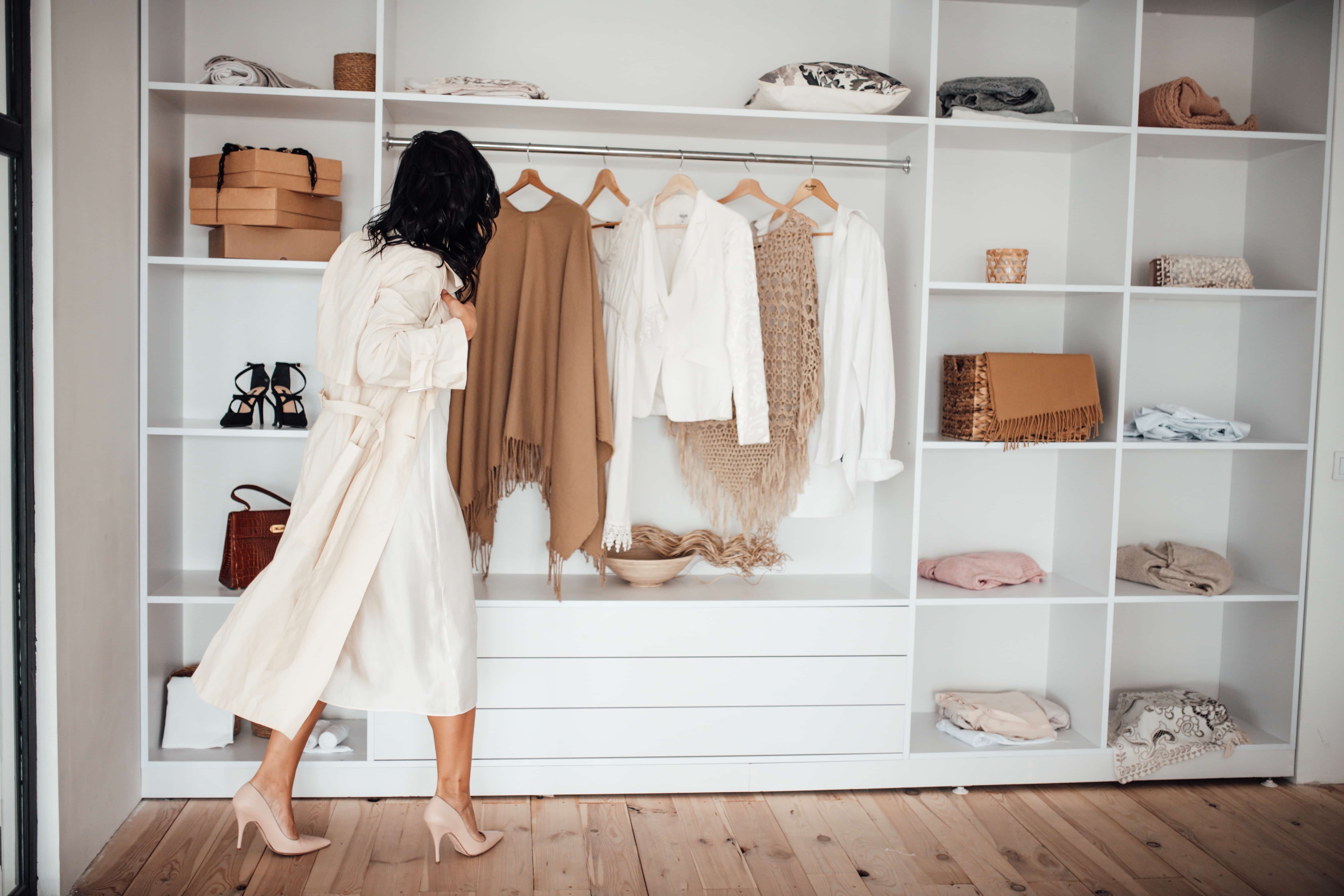
My rule: before I buy anything new, I check ThredUp and Poshmark first. Takes about five minutes. If I can find it secondhand in good condition, I buy it there. I only go retail when I can't find what I need secondhand, or when it's something like underwear, socks, or workout clothes where condition matters differently. I found a J.Crew wool-blend coat last November on ThredUp for $28 — it had the original tags still on it. That coat would've been $178 new. That's the whole game right there.
For in-person thrifting, hit stores on weekday mornings when new inventory is freshest and it's not picked over. Bring a list of exactly what you're looking for — it keeps you focused and stops impulse buys that don't fit your plan.
Use the Cost-Per-Wear Math Every Time You Hesitate
When something feels expensive relative to your budget, do the math. A $40 pair of jeans you'll wear 80 times over the next two years costs you $0.50 per wear. A $12 trendy top you'll wear twice before it falls apart costs you $6 per wear. The cheap thing isn't always the economical choice.

This shifts how you shop completely. You stop buying the $10 fast fashion top that looks sad after three washes, and you save up an extra two weeks for the $45 version that'll last three years. You get pickier and more patient. I once waited six weeks to find a specific style of black straight-leg pants — checked ThredUp every few days — and finally got them for $14 in perfect condition. Would've bought some mediocre pair immediately before I learned to think this way and they'd have been in a donation bag within a year.
Accessories Do More Work Than Clothes Do
This is the piece of advice that actually changed how I get dressed. A $6 scarf from a thrift store can make a plain black turtleneck look like an outfit someone put thought into. A $12 pair of gold hoop earrings from Amazon (look up Pavoi — I have three pairs and they've lasted over two years) elevate basically anything. A simple belt can take a shapeless cardigan and give it structure.
You don't need more clothes. You need the right three or four accessories that work across your entire wardrobe. A neutral tote bag, a pair of earrings that go with everything, one scarf or wrap, and one belt. Done. Spend $30 total on accessories and suddenly your twelve-item wardrobe feels like thirty outfits.

Do's and Don'ts: Building a Wardrobe on a Budget for Moms
| Do | Don't |
|---|---|
| Audit your closet before buying anything new | Buy things because they're on sale, not because you need them |
| Shop ThredUp, Poshmark, and local thrift stores first | Ignore fit issues hoping something will "work eventually" |
| Build around neutral colors that mix together easily | Buy trendy pieces as your main investment items |
| Use cost-per-wear math before every purchase | Impulse-buy at Target's clothing section (we've all done it) |
| Keep a running list of what your wardrobe actually needs | Try to build your whole wardrobe in one shopping trip |
| Invest more in shoes and outerwear — they carry outfits | Skimp on basics like jeans and everyday tops |
| Buy one size up if in doubt — tailoring a loose item is cheap | Buy something too small planning to "slim into it" |
| Follow ThredUp/Poshmark searches for specific items over time | Buy multiples of the same type of item (you only need 3 pairs of pants) |
| Wash clothes on cold and hang to dry to extend their life | Wash everything on hot and throw it in the dryer |
| Prioritize versatility: does this work with 3+ things I own? | Match instead of coordinate — exact matchy-matchy outfits limit your options |
FAQs
How much does it actually cost to build a basic wardrobe from scratch?
Realistically, if you're starting from zero, you can build a solid functional wardrobe of 15–20 pieces for $150–$300 using a combination of thrift shopping and strategic buys from affordable retailers like Target, Old Navy, and Amazon Essentials. That's over several months — don't try to do it all at once. Prioritize the items you need most immediately (usually a couple of versatile bottoms and tops) and add as you have room in the budget.
What are the best apps for secondhand shopping as a mom on a budget?
ThredUp is great for browsing by size and filtering to specific brands — it's easy to use and ships directly to you. Poshmark is better for name-brand finds and you can negotiate prices. Facebook Marketplace is underrated for local pickup (no shipping) and you can find complete wardrobe sets from people doing big purges. Mercari sits somewhere between all three. I use ThredUp most for basics and Poshmark when I'm looking for something specific.
How do I avoid buying the wrong things and wasting my limited money?
Only buy from a list. Seriously. Before you open any app or walk into any store, write down exactly what your wardrobe is missing based on your closet audit. If it's not on the list, don't buy it — no matter how good the deal looks. A great deal on the wrong item is still a waste. Also, try everything on if you're shopping in person, and check return policies before buying online.
Is it worth spending more money on certain pieces even when money is tight?
Yes — but be selective. Shoes, outerwear (coats and jackets), and jeans are worth spending a bit more on because they're used constantly and visible in every outfit. A $60 pair of New Balance 327s worn every day beats a $20 pair that falls apart in four months. Meanwhile, basic t-shirts, layering tops, and casual pants can absolutely be budget buys.
Can I actually look stylish on a really tight budget — like under $50 a month?
Yes, if you're strategic and patient. $50 a month is $600 a year, which is enough to build a genuinely solid wardrobe over 12 months if you're prioritizing thrift stores and waiting for the right finds. The key is not trying to do everything at once. Pick one or two gaps per month, fill them deliberately, and skip everything else.
What if my style has completely changed since before I had kids?
That's actually fine — and normal. Your life changed, your body changed, your daily needs changed. Don't try to rebuild the wardrobe you had before. Start fresh based on who you actually are now and what your actual days look like. Look at what the millennial moms you admire (on Instagram, in real life, wherever) are wearing and figure out what elements of that actually appeal to you now — not what you thought was "you" five years ago.
How do I shop smart during sales without overspending?
Set a cap before you open anything. Decide you're spending $X and not a dollar more, then shop within that limit. Sales are only useful if what you're buying was already on your list. Old Navy runs 40–50% off sales constantly — use them for specific items you've already identified as gaps, not as an excuse to browse.
What should I buy first if I can only afford one or two things right now?
Get one pair of well-fitting dark jeans and one neutral basic top that works with everything you already own. That combination alone will get you through most situations — errands, casual social stuff, zoom calls. Everything else comes after. Don't try to solve your whole wardrobe in one purchase.