Traveling across time zones can be really tough for grown ups and very confusing for kids. It messes up our sleep. When we feel like eating. It also affects our mood. How much energy we have. For moms who travel it is hard to deal with their tiredness while helping their kids get used to the new time. Jet lag is something we have to deal with when we travel. We cannot make it go away completely. We can make it easier to handle. The thing to do is not to try to get our bodies to adjust away. Instead we should try to help our bodies get used to the time slowly and without getting too stressed out. Jet lag is a problem. We can make it softer for our kids and for ourselves the traveling moms, by being gentle and patient.
The first thing you need to do is get some daylight. Daylight is really good at helping your body get back on schedule. When you get outside soon after you arrive somewhere it helps both kids and adults get used to the time faster. Even taking walks or sitting by a window when you eat tells your brain that it is daytime now. Daylight is the way to get your body to adjust it is even better, than trying to figure out some special trick to help you sleep. Daylight is really powerful.
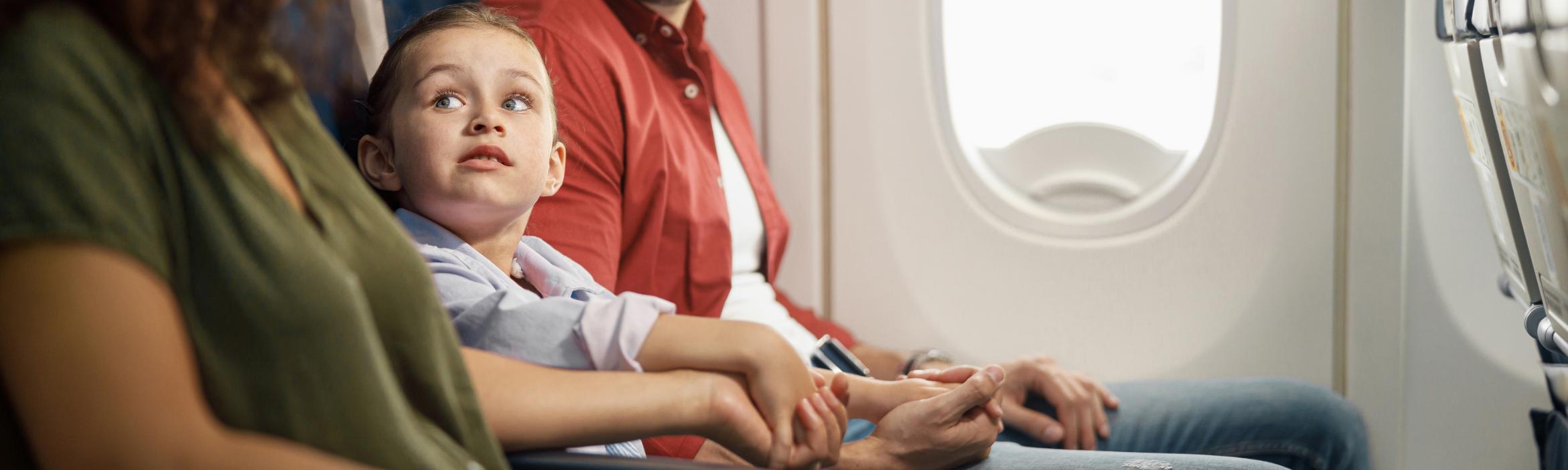
Sleep should change a bit at a time not all at once. You cannot expect kids to start following the sleep schedule right away that will just make everyone unhappy. It is better to let them take naps and go to bed a little earlier and slowly add more time to when they are awake.
If kids take naps they will not get too tired and it will be easier for them to get used to the new sleep schedule.
Sleep schedule is very important, for kids. If they get too tired they will have a hard time adjusting to the new sleep schedule but if they are just a little bit off it is not so bad.
Movement is really good for the body. It helps the body adjust. When you do things like walking or stretching or play outside it gets your blood flowing and that helps get rid of the foggy feeling that jet lag gives you. Movement also helps get rid of the energy that builds up when you are, on a long flight. Movement is a way to make the body feel better.
Food is like a clock for our body. When we eat at the time every day in a new place our body gets used to it really fast. It is even faster than sleeping at the right time. So even if we are not very hungry it is an idea to have small meals at the right time.
Having a breakfast and a dinner with a lot of protein helps our body know what time of day it is. Meals like these help our body get into a routine. Food, like this tells our system what is going on.
Hydration is really important, for recovery. When you take flights and have to deal with time changes your body gets dehydrated. This makes you feel really tired. You get headaches. Drinking water all day long helps your blood flow. Gives you energy. If you drink drinks you will feel worse when your energy crashes.. If you drink water regularly you will feel more stable and better. Hydration helps your body and drinking water throughout the day is an idea.
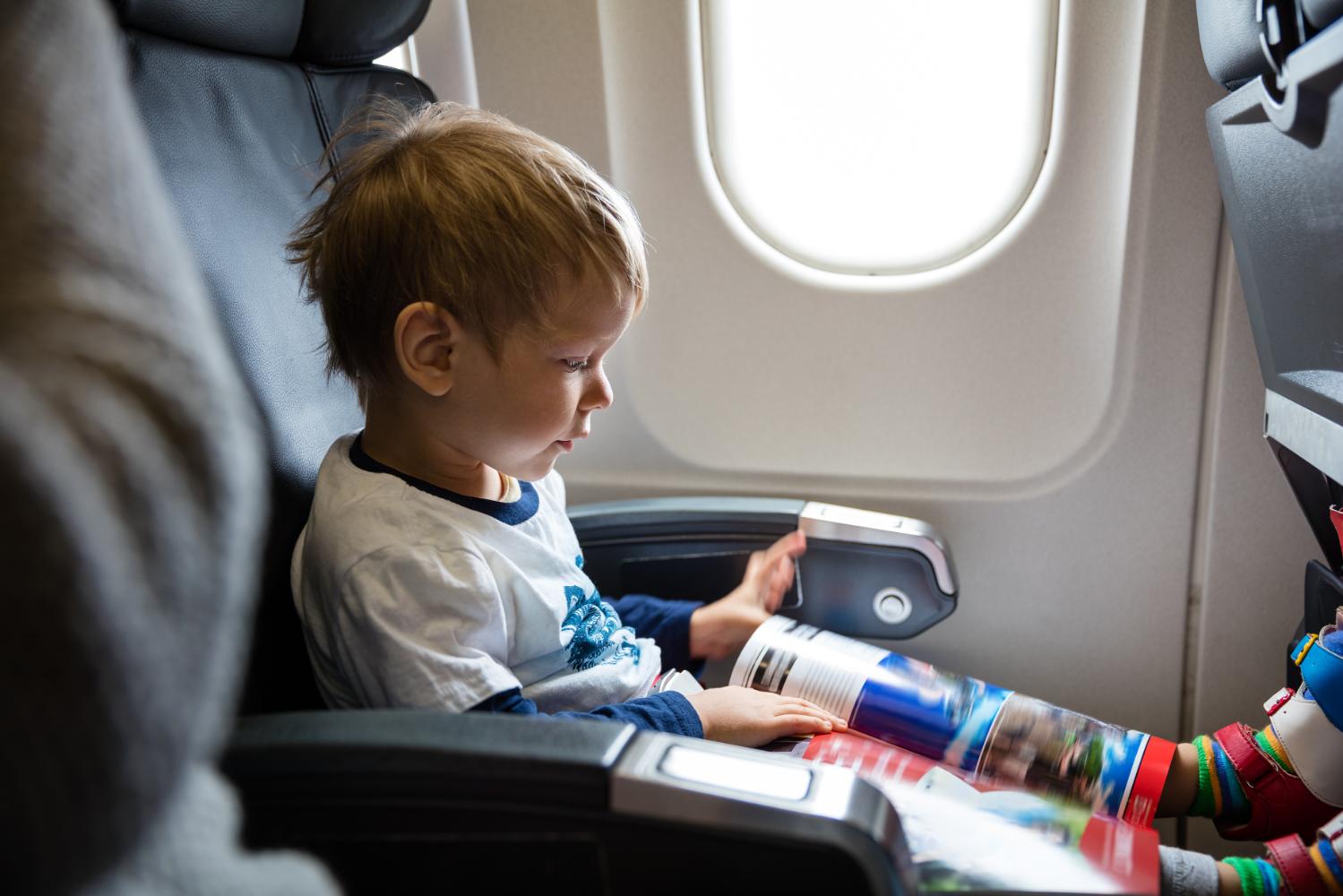
Bedtime routines are really important. They should be the same even when you are in a new place. You know, things like taking a bath putting on pajamas and reading a story. These things are like reminders that tell your child it is time for bed no matter where you are. Children like to know what is coming next so they respond well to doing things in the same order every night. This helps them feel safe. It makes them feel like everything is okay even if they are not at home. Repeating the bedtime routine every night creates a sense of comfort and familiarity for children and that is really important for them. Bedtime routines, like taking a bath and reading a story help children feel comfortable and secure and that is what they need to fall.
When we use screens close to bedtime it can really mess up our sleep. The bright light from screens and the stimulation we get from them can confuse our bodys clock, which’s already a bit mixed up. On the hand doing quiet things in the evening helps our body make melatonin, which is the thing that helps us sleep and it can rise naturally. This is really important for screens to bedtime because they can delay our adjustment to a normal sleep schedule. So it is an idea to stay away from screens close to bedtime and do quiet activities instead which helps our body get ready, for sleep and allows melatonin to rise naturally.
Parents need to deal with their expectations. The first two days can be really tough. You will have to get up and your kids will be cranky in the afternoons. They will not sleep well. That is okay.
If you fight this it will make you more stressed. It is better to accept that things will be crazy, for a little while. This will make it easier for you to handle. Parents should remember that early wake-ups and cranky afternoons are normal. Accepting this chaos will make it shorter and easier to deal with emotionally.
When you wake up in the morning you should try to get on the schedule as the place you are going to as quickly as you can. So even if you did not sleep well it is a good idea to stay awake until the evening. This helps prevent your body from getting mixed up and going back, to its routine. If you get some light and move around it helps your body get through the part of adjusting to the new time.
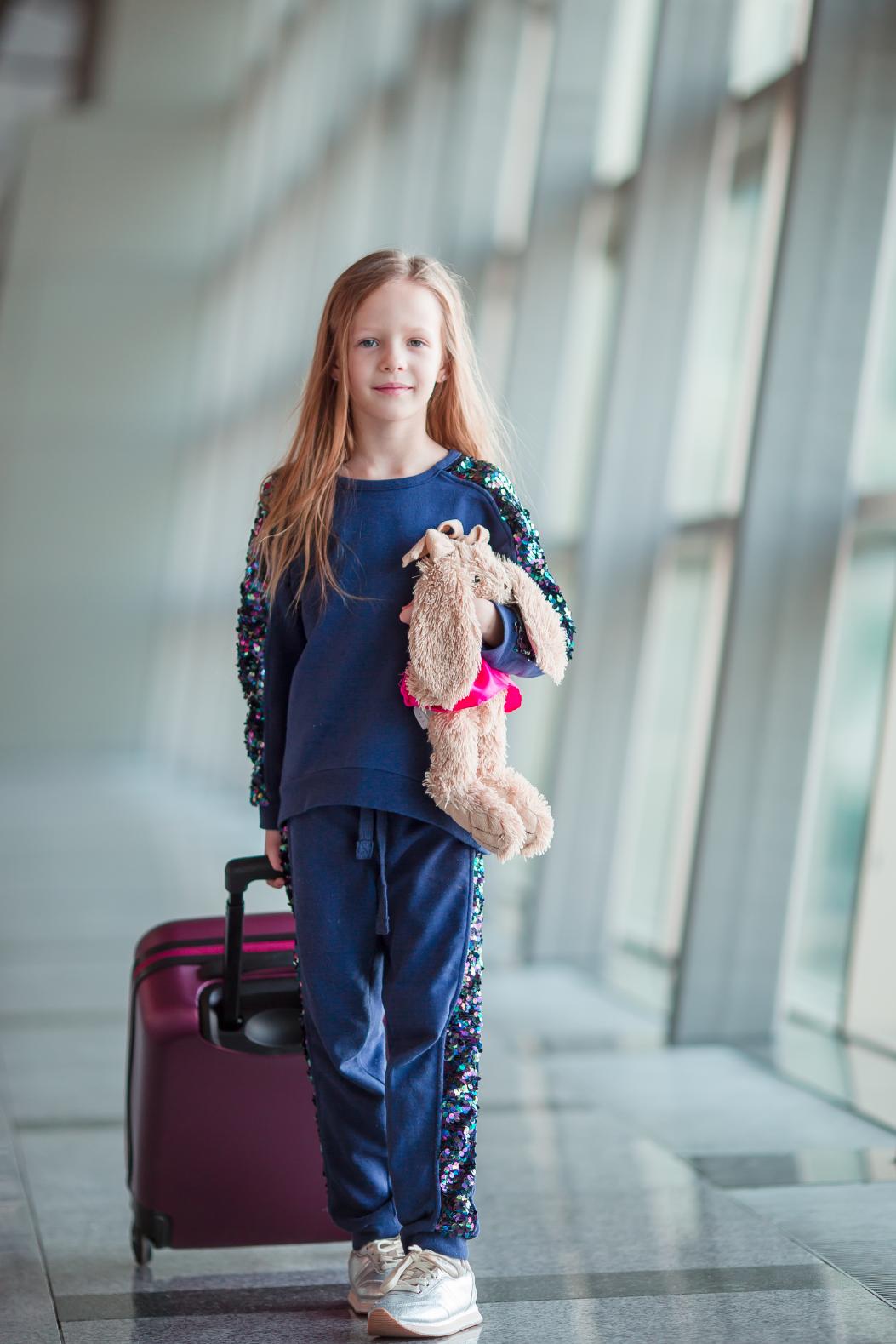
Comfort items really help kids feel better at night when they are feeling anxious. Things like their blankets, stuffed animals or special music they listen to at bedtime make them feel safe and sound. This feeling of being safe helps their bodies get used to sleeping at the time. Comfort items like these are very important for kids because they help them feel secure when their body clock is a little, off.
Parents need to pace themselves. Traveling across time zones can be really tough, on them. It makes them lose their patience. They have a hard time making decisions. So it is an idea to keep things simple for the first few days.
They should pick things to do that are not too stressful. That let them take breaks to rest.
When parents get to rest and recover they will have fun on their trip.
Jet lag isn’t a failure of planning — it’s a biological transition. Bodies adjust best with light, rhythm, hydration, and patience. Children don’t need strict correction; they need gentle guidance. When moms protect rest, anchor meals, and accept gradual change, jet lag becomes a phase instead of a crisis. The body remembers how to reset. It just needs time.